
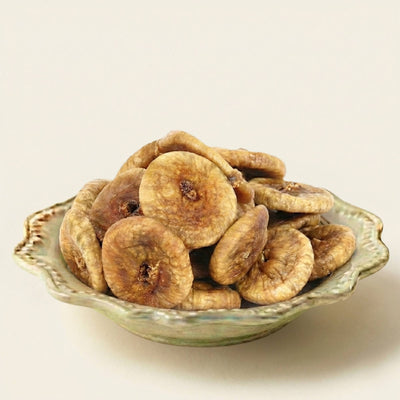
Anjeer Super Jumbo, Dried Figs, Iranian – Naturally Fibre-RichSave ₹ 320.00
⚠ Delayed
₹ 570.00₹ 890.00
BLOOD PRESSURE-MINDFUL EATING
Magnesium and potassium-rich, unsalted by default. A nutrient-first guide to the dry fruits worth keeping on the kitchen counter when blood pressure is on your mind.

Roughly one in three Indian adults lives with elevated blood pressure (ICMR-INDIAB study). Sodium intake routinely exceeds the WHO ceiling of 2g/day, often through processed snacks — namkeen, chips, salted nuts. The dry fruit aisle is one of the few places where the default version (raw, unsalted) is the healthier version.
Magnesium and potassium together help regulate vascular tone and counterbalance sodium. Almonds carry roughly 270mg magnesium per 100g — one of the densest dietary sources. Pistachios pair magnesium with potassium (1,025mg per 100g). Walnuts contribute alpha-linolenic acid, an omega-3 precursor that vascular research associates with healthier arterial flexibility.
USDA FoodData Central: raw almonds contain 1mg sodium per 100g; salted almonds contain 213mg per 100g. Raw pistachios — 1mg; salted — 358mg per 100g. The difference is the choice of variant, not the nut itself. Our default line is unsalted; salted variants are clearly labelled on every product page.
Source: USDA FoodData Central, 2024; ICMR-NIN Reference Tables, 2024.
Sindhi Dry Fruits has served Delhi families since 1939 — currently around 1 million Lajpat Nagar households. Our procurement defaults to raw, unsalted, lightly-roasted-only-on-request. We do not pre-salt for shelf life; we vacuum-nitrogen-seal within 48 hours of arrival. The variants that exist are the ones our customers asked for, not the ones our suppliers pushed.
Why the brand variable matters
Quality, for blood-pressure-mindful eating, is mostly about what we leave OUT — added salt, added sugar, preservatives. Every raw nut on this page is single-origin sourced, FSSAI-batch-tested for heavy metals and aflatoxin, and vacuum-nitrogen-sealed.
Single-origin sourcing
California almonds, Kashmir walnuts, Iranian pistachios — traceable to grower co-ops.
Hand-sorted and quality-checked per batch
Hand-sorted and quality-checked at our ISO 22000:2018 certified facility before our shelves.
Unsulphured by default
Sun-dried or oven-dried. No sulphur-dioxide preservatives in our dried fruits.
Nitrogen-flushed and sealed
Nitrogen-flushed packaging prevents nut-oil rancidity and preserves freshness from seal to table.
BP-MINDFUL PICKS
Raw, unsalted nuts and dry fruits for blood pressure-mindful eating
The nutrient picture
Each card below names a nutrient relevant to this concern, what it does in the body per established research, and which of our dry fruits carry it. Not therapeutic claims — nutrient facts.
Magnesium
Mg
A mineral that helps regulate vascular tone, one of two minerals (with potassium) dietary research most consistently links to healthy blood pressure. Raw almonds are also naturally low in sodium; salting is what changes that, not the almond itself.
USDA FoodData Central
Potassium
K
A mineral that helps counterbalance sodium's effect on blood pressure. Pistachios pair high potassium with naturally low sodium in their raw form; salting adds the sodium back.
USDA FoodData Central
Source: USDA FoodData Central, 2024. We supply raw and lightly-spiced variants; no added salt unless labelled.
What our customers typically choose
Customers picking up dry fruits with blood-pressure in mind tend to buy raw almonds and unsalted pistachios in 500g or 1kg packs, often paired with walnuts. The pattern we see across our K-14 shopfloor: monthly subscriptions of the unsalted variants, with the salted line bought as occasional gifts rather than daily intake.
Aggregated, anonymous observation from our K-14 Lajpat Nagar shopfloor and order history. Not testimony from named individuals.
How people actually use these
Portion guidance, not medical instruction. The three tiles below reflect when our customers managing this concern most often choose to eat — your own clinician will know how to tune this to you.
5–6 soaked almonds first thing in the morning is a long-standing North Indian household practice. Soaking softens the tannin-rich skin; the magnesium and potassium content remain unchanged.
A small handful of unsalted pistachios as a mid-afternoon snack — instead of a salted namkeen. Pair with a glass of water; the fibre and potassium combination is what makes this useful.
A few walnut halves alongside dinner. The alpha-linolenic acid in walnuts is a long-chain omega-3 precursor — established dietary research associates this fat profile with healthier arterial function.
Indicative split based on ICMR-NIN portion guidance for nuts and dried fruits. Individual needs vary by energy expenditure and clinician advice.
These are observational patterns and dietary suggestions, not medical instructions. Consult your treating physician or dietitian for personalised guidance.
Frequently asked questions
Honest, nutrient-first answers. We do not make therapeutic claims; we share dietary facts and serving guidance.
Soaking is a long-standing Indian household practice, partly cultural and partly digestive. Soaking softens the skin (which contains tannins that some find harder to digest) and can make the nut feel more palatable. From a nutrient standpoint, USDA values do not change meaningfully with soaking. Eat them whichever way you prefer.
Yes — unsulphured is our default. Most apricots and other golden-coloured dried fruits in the wider market are treated with sulphur dioxide (a preservative that keeps the fruit looking bright). Our unsulphured line uses sun-dried fruit; the colour will be darker and more natural. Look for the 'unsulphured' label on the product page.
We have been sourcing dry fruits since 1939 and currently serve 5M+ Indian families through our K-14 Lajpat Nagar shopfloor. Sourcing is single-origin where possible (Mamra almonds from Iran, Mevawala kishmish from Afghanistan, Anjeer from Turkey). Each batch is quality-checked in our FSSAI-licensed facility for moisture, aflatoxin, and microbial counts, then nitrogen-flushed and sealed within 48 hours of arrival to preserve nutrient density.
Almonds and pistachios are dietary sources of magnesium and potassium, minerals that help regulate vascular tone and counterbalance sodium's effect on blood pressure. Roughly one in three Indian adults lives with elevated blood pressure (ICMR-INDIAB study), and diet is one of several contributing factors alongside medication, activity, and stress. Neither nut is a treatment for hypertension. Please consult a physician or cardiologist before making significant dietary changes, particularly if managing blood pressure or cardiovascular health.
Almonds carry roughly 270mg of magnesium per 100g, making them one of the densest dietary sources of the mineral. Magnesium is one of the two minerals, alongside potassium, that dietary research most consistently links to healthy vascular tone. Raw almonds are also naturally low in sodium, at just 1mg per 100g, which keeps the mineral contribution from being offset by added salt.
Pistachios carry 1,025mg of potassium per 100g, and potassium is the mineral most directly associated with counterbalancing sodium's effect on blood pressure in dietary research. Raw pistachios also carry just 1mg of sodium per 100g. The combination of high potassium and naturally low sodium is what distinguishes the raw form from the salted one nutritionally.
Considerably. Raw almonds carry 1mg of sodium per 100g; salted almonds carry 213mg. Raw pistachios carry 1mg; salted carry 358mg per 100g. The sodium figures are the only difference: the raw form avoids the added load without losing the mineral content. WHO sets a daily sodium ceiling of 2g, and a salted handful can use up a meaningful share of that on its own, so the raw, unsalted form is the sounder choice for anyone managing daily sodium intake.
Walnuts contribute alpha-linolenic acid (ALA), a plant-based omega-3 fat that vascular research associates with arterial flexibility. They are not the primary source of magnesium or potassium in this pattern. Instead, they complement almonds and pistachios in a blood-pressure-mindful pattern, contributing ALA alongside the magnesium and potassium those nuts provide.
Sources
Every nutrient figure and reference daily allowance on this page is drawn from established food-science and government nutrition databases. We do not invent numbers.


