
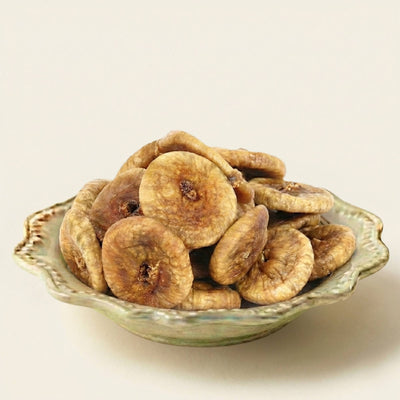
अंजीर सुपर जंबो, सूखे मेवे, ईरानी – प्राकृतिक रूप से फाइबर-युक्तबचत करें ₹ 320.00
⚠ देरी से
₹ 570.00₹ 890.00
PREGNANCY NUTRITION
Folate, iron, protein and calcium-rich nuts and dried fruits — traditional Indian household wisdom backed by modern nutrient science.
Iron deficiency anaemia is reported in roughly 50% of Indian pregnancies (NFHS-5). Folate, calcium and protein needs all rise significantly during pregnancy. Dry fruits have historically been a culturally trusted way for Indian families to add these nutrients to a varied diet.
Anjeer (dried figs) provides calcium (162mg per 100g) and iron (2.0mg per 100g). Almonds add folate, magnesium, and protein. Dates carry iron and natural sugars for the energy demands of late pregnancy. Walnuts contribute ALA, the plant-based omega-3 precursor relevant to fetal neural development per dietary research.
USDA: anjeer — 162mg calcium, 2.0mg iron per 100g; almonds — 269mg calcium, 3.7mg iron per 100g; dates — 39mg calcium, 1.0mg iron per 100g. ICMR-NIN pregnancy guidelines suggest iron at 27mg/day and calcium at 1000mg/day. A small handful of dry fruits is one of several ways to contribute to these targets within a balanced diet.
स्रोत: यूएसडीए फ़ूडडेटा सेंट्रल, 2024।
Sourcing dry fruits for Indian households since 1939, our K-14 Lajpat Nagar shopfloor serves approximately 1 million Delhi families — including the grandmothers who have been quietly handing down which dry fruits to eat during pregnancy for three generations. Our anjeer is sun-dried, unsulphured; almonds are raw; dates are minimally processed.
ब्रांड वेरिएबल क्यों मायने रखता है
For pregnancy nutrition, what is NOT in the food matters as much as what is. Our anjeer is unsulphured (no sulphur dioxide preservative); almonds are raw with no added oil or salt; dates are sun-dried without added glucose syrup.
एकल-स्रोत खरीद
कैलिफोर्निया बादाम, कश्मीर अखरोट, ईरानी पिस्ता - उत्पादक सहकारी समितियों से पता लगाने योग्य।
हर बैच को हाथ से छांटा गया और उसकी गुणवत्ता जांची गई
हमारे शेल्फ में आने से पहले, हमारी ISO 22000:2018 प्रमाणित सुविधा में हाथ से छांटा और गुणवत्ता की जांच की गई।
डिफ़ॉल्ट रूप से अनसल्फराइज्ड
धूप में सुखाए गए या ओवन में सुखाए गए। हमारे सूखे मेवों में कोई सल्फर-डाइऑक्साइड संरक्षक नहीं है।
नाइट्रोजन-युक्त और सीलबंद
नाइट्रोजन-फ्लश पैकेजिंग अखरोट-तेल को बासी होने से रोकती है और सील होने से लेकर खाने तक उसकी ताज़गी बनाए रखती है।
PREGNANCY NUTRITION PICKS
Dry fruits rich in iron and folate, picked for pregnancy nutrition
पोषक तत्वों की तस्वीर
नीचे दिया गया प्रत्येक कार्ड एक पोषक तत्व का नाम बताता है जो इस चिंता से संबंधित है, स्थापित शोध के अनुसार यह शरीर में क्या करता है, और हमारे कौन से सूखे मेवे इसे धारण करते हैं। चिकित्सीय दावे नहीं—पोषक तत्वों के तथ्य।
Iron
Fe
A mineral central to haemoglobin and red blood cell production. Iron needs rise during pregnancy, and iron-deficiency anaemia is reported in around half of Indian pregnancies (NFHS-5).
ICMR-NIN; NFHS-5; USDA FoodData Central
Calcium
Ca
A mineral central to bone and teeth structure. Calcium needs also rise during pregnancy, supporting the developing baby's skeletal growth alongside the mother's own bone health.
ICMR-NIN; USDA FoodData Central
Source: USDA FoodData Central, 2024. Values per 30g serving.
जो आमतौर पर हमारे ग्राहक चुनते हैं
Customers buying with pregnancy nutrition in mind typically pick a combination: 500g anjeer pack, 500g raw almond pack, and 500g of dates (often Kimia or Medjool). The order pattern from our shopfloor is monthly through the second and third trimester, often gifted by the expecting family's elders.
लाजपत नगर में हमारी K-14 दुकान के कर्मचारियों और ऑर्डर हिस्ट्री से मिली समग्र, अनाम जानकारी। यह किसी व्यक्ति विशेष की गवाही नहीं है।
लोग इनका असल में इस्तेमाल कैसे करते हैं?
पोर्शन संबंधी मार्गदर्शन, न कि चिकित्सकीय निर्देश। नीचे दिए गए तीन टाइल दिखाते हैं कि इस समस्या का सामना करने वाले हमारे ग्राहक सबसे ज़्यादा कब खाते हैं—आपके अपने चिकित्सक को पता होगा कि इसे आपके अनुसार कैसे समायोजित किया जाए।
5–6 soaked almonds and 1–2 soaked anjeer first thing in the morning. Soaking softens both for easier digestion (relevant in early pregnancy when nausea is common) and is a long-standing North Indian household practice.
2–3 dates mid-morning or early afternoon for natural energy. The iron-and-glucose combination is particularly useful when fatigue spikes during pregnancy.
A few walnut halves with the evening meal for ALA, the plant omega-3 precursor relevant to fetal neural development per dietary research.
नट्स और सूखे मेवों के लिए आई.सी.एम.आर.-एन.आई.एन. के भाग संबंधी दिशानिर्देशों के आधार पर सांकेतिक विभाजन। व्यक्तिगत ज़रूरतें ऊर्जा व्यय और चिकित्सक की सलाह के अनुसार अलग-अलग होती हैं।
ये अवलोकन संबंधी पैटर्न और आहार संबंधी सुझाव हैं, न कि चिकित्सीय निर्देश। व्यक्तिगत मार्गदर्शन के लिए अपने चिकित्सक या आहार विशेषज्ञ से परामर्श करें।
अक्सर पूछे जाने वाले प्रश्न
ईमानदार, पोषक तत्वों को प्राथमिकता देने वाले जवाब। हम चिकित्सीय दावे नहीं करते; हम आहार संबंधी तथ्य और सेवन संबंधी मार्गदर्शन साझा करते हैं।
Soaking is a long-standing Indian household practice, partly cultural and partly digestive. Soaking softens the skin (which contains tannins that some find harder to digest) and can make the nut feel more palatable. From a nutrient standpoint, USDA values do not change meaningfully with soaking. Eat them whichever way you prefer.
Yes — unsulphured is our default. Most apricots and other golden-coloured dried fruits in the wider market are treated with sulphur dioxide (a preservative that keeps the fruit looking bright). Our unsulphured line uses sun-dried fruit; the colour will be darker and more natural. Look for the 'unsulphured' label on the product page.
We have been sourcing dry fruits since 1939 and currently serve 5M+ Indian families through our K-14 Lajpat Nagar shopfloor. Sourcing is single-origin where possible (Mamra almonds from Iran, Mevawala kishmish from Afghanistan, Anjeer from Turkey). Each batch is quality-checked in our FSSAI-licensed facility for moisture, aflatoxin, and microbial counts, then nitrogen-flushed and sealed within 48 hours of arrival to preserve nutrient density.
Anjeer, almonds and dates each contribute iron and calcium alongside other nutrients. Iron-deficiency anaemia is reported in around half of Indian pregnancies (NFHS-5), which is one reason iron-rich foods are often discussed as part of a varied prenatal diet. This page shares general nutrient facts only; please follow the personalised dietary guidance of your obstetrician, gynaecologist, or registered dietitian.
Per 100g (USDA figures), almonds carry the most iron of the three at 3.7mg, followed by anjeer at 2.0mg and dates at 1.0mg. All three can contribute to overall dietary iron intake, though how much any one person needs from food varies and is best discussed with a healthcare provider, particularly during pregnancy when iron needs rise.
Per 100g (USDA figures), almonds again lead at 269mg calcium, with anjeer at 162mg and dates at 39mg. Calcium needs also rise during pregnancy, and dry fruits are one of several dietary sources, alongside dairy and other calcium-rich foods, that can contribute to a varied prenatal diet. Your obstetrician, gynaecologist, or registered dietitian can advise on what is appropriate for your individual pregnancy.
ICMR-NIN's published dietary guidelines identify iron at around 27mg per day and calcium at around 1000mg per day as general population-level targets for pregnancy, drawn from a varied overall diet, not a dosing instruction for any specific food. Meeting these targets involves many foods together, not dry fruits alone. Your obstetrician or registered dietitian can advise on what is appropriate for your individual pregnancy.
Iron-deficiency anaemia is reported in around half of Indian pregnancies (NFHS-5), one reason iron-rich foods come up so often in prenatal dietary conversations. Anjeer, almonds and dates each contribute some dietary iron, though food alone may not address anaemia that has already been diagnosed. If you are concerned about anaemia during pregnancy, please speak with your obstetrician, who can test and advise on appropriate care.
Walnuts contribute ALA, a plant-based omega-3 that dietary research has studied in relation to fetal neural development. As with the other dry fruits on this page, walnuts are one part of a varied prenatal diet rather than a standalone nutritional plan. For guidance tailored to your pregnancy, please consult your obstetrician or registered dietitian.
सूत्रों के अनुसार
इस पृष्ठ पर प्रत्येक पोषक तत्व का आंकड़ा और संदर्भ दैनिक भत्ता स्थापित खाद्य-विज्ञान और सरकारी पोषण डेटाबेस से लिया गया है। हम संख्याएँ नहीं बनाते हैं।


