
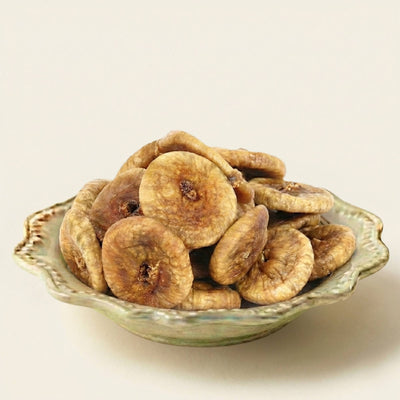
अंजीर सुपर जंबो, सूखे मेवे, ईरानी – प्राकृतिक रूप से फाइबर-युक्तबचत करें ₹ 320.00
⚠ देरी से
₹ 570.00₹ 890.00
DIGESTION-MINDFUL EATING
Anjeer, prunes, dates and the dietary fibre your gut actually uses. A nutrient-first guide to dry fruits commonly associated with digestive regularity.
Average Indian fibre intake is roughly 20–25g/day; ICMR-NIN recommends 40g/day for adults. Constipation, sluggish digestion, and the related discomfort affect a substantial portion of urban Indian adults. Diet — specifically fibre intake and hydration — is among the most modifiable factors.
Dietary fibre is the indigestible portion of plant food that adds bulk to stool, supports gut motility, and feeds beneficial gut bacteria. Soluble fibre (found in figs, prunes, dates) absorbs water and softens stool. Insoluble fibre (found in nuts and seeds) adds bulk. The Indian tradition of soaking dried fruits overnight is essentially pre-hydrating the soluble fibre.
USDA: anjeer (dried figs) — 9.8g fibre per 100g; prunes — 7.1g per 100g; dates — 6.7g per 100g; almonds — 12.5g per 100g (mostly insoluble). A small handful combining anjeer + almonds provides roughly 6–7g fibre — about 17% of the daily target in one snack.
स्रोत: यूएसडीए फ़ूडडेटा सेंट्रल, 2024।
The anjeer-prune-dates trio has been the foundation of our digestion-mindful customer baskets since 1939. Across approximately 1 million Delhi families, the most common single recommendation our shopfloor staff make is overnight-soaked anjeer first thing in the morning.
ब्रांड वेरिएबल क्यों मायने रखता है
For digestion-mindful eating, additive-free matters. Our anjeer is sun-dried, unsulphured (no sulphur dioxide preservative). Our prunes are minimally processed. Our dates carry no added glucose syrup. The fibre is doing the work; we are not in the way of it.
एकल-स्रोत खरीद
कैलिफोर्निया बादाम, कश्मीर अखरोट, ईरानी पिस्ता - उत्पादक सहकारी समितियों से पता लगाने योग्य।
हर बैच को हाथ से छांटा गया और उसकी गुणवत्ता जांची गई
हमारे शेल्फ में आने से पहले, हमारी ISO 22000:2018 प्रमाणित सुविधा में हाथ से छांटा और गुणवत्ता की जांच की गई।
डिफ़ॉल्ट रूप से अनसल्फराइज्ड
धूप में सुखाए गए या ओवन में सुखाए गए। हमारे सूखे मेवों में कोई सल्फर-डाइऑक्साइड संरक्षक नहीं है।
नाइट्रोजन-युक्त और सीलबंद
नाइट्रोजन-फ्लश पैकेजिंग अखरोट-तेल को बासी होने से रोकती है और सील होने से लेकर खाने तक उसकी ताज़गी बनाए रखती है।
DIGESTION-MINDFUL PICKS
Fibre-rich dried fruits for digestion-mindful eating
पोषक तत्वों की तस्वीर
नीचे दिया गया प्रत्येक कार्ड एक पोषक तत्व का नाम बताता है जो इस चिंता से संबंधित है, स्थापित शोध के अनुसार यह शरीर में क्या करता है, और हमारे कौन से सूखे मेवे इसे धारण करते हैं। चिकित्सीय दावे नहीं—पोषक तत्वों के तथ्य।
Dietary fibre
Fibre
The indigestible portion of plant food that adds bulk to stool, supports gut motility, and feeds beneficial gut bacteria. Soluble fibre absorbs water and softens stool; insoluble fibre adds bulk.
ICMR-NIN; USDA FoodData Central
Source: USDA FoodData Central, 2024. Values per 30g serving.
जो आमतौर पर हमारे ग्राहक चुनते हैं
Customers buying with digestion in mind typically pick a 500g anjeer pack, 250g prunes, 500g of dates, and a small bag of almonds. The order pattern is monthly, often with a note that the anjeer is for grandmother and the dates are for the children.
लाजपत नगर में हमारी K-14 दुकान के कर्मचारियों और ऑर्डर हिस्ट्री से मिली समग्र, अनाम जानकारी। यह किसी व्यक्ति विशेष की गवाही नहीं है।
लोग इनका असल में इस्तेमाल कैसे करते हैं?
पोर्शन संबंधी मार्गदर्शन, न कि चिकित्सकीय निर्देश। नीचे दिए गए तीन टाइल दिखाते हैं कि इस समस्या का सामना करने वाले हमारे ग्राहक सबसे ज़्यादा कब खाते हैं—आपके अपने चिकित्सक को पता होगा कि इसे आपके अनुसार कैसे समायोजित किया जाए।
2–3 overnight-soaked anjeer first thing in the morning, with the soaking water if you prefer. The soluble fibre is pre-hydrated and gentlest on an empty stomach — a multi-generation North Indian household routine.
2–3 prunes mid-day. Prunes contain sorbitol, a natural sugar alcohol that draws water into the intestine — nutrition research consistently flags this as a useful gentle laxative effect.
A small handful of almonds with dinner for insoluble fibre, plus plenty of water through the day. Fibre needs water to work; without it, increasing fibre can worsen rather than improve regularity.
नट्स और सूखे मेवों के लिए आई.सी.एम.आर.-एन.आई.एन. के भाग संबंधी दिशानिर्देशों के आधार पर सांकेतिक विभाजन। व्यक्तिगत ज़रूरतें ऊर्जा व्यय और चिकित्सक की सलाह के अनुसार अलग-अलग होती हैं।
ये अवलोकन संबंधी पैटर्न और आहार संबंधी सुझाव हैं, न कि चिकित्सीय निर्देश। व्यक्तिगत मार्गदर्शन के लिए अपने चिकित्सक या आहार विशेषज्ञ से परामर्श करें।
अक्सर पूछे जाने वाले प्रश्न
ईमानदार, पोषक तत्वों को प्राथमिकता देने वाले जवाब। हम चिकित्सीय दावे नहीं करते; हम आहार संबंधी तथ्य और सेवन संबंधी मार्गदर्शन साझा करते हैं।
Soaking is a long-standing Indian household practice, partly cultural and partly digestive. Soaking softens the skin (which contains tannins that some find harder to digest) and can make the nut feel more palatable. From a nutrient standpoint, USDA values do not change meaningfully with soaking. Eat them whichever way you prefer.
Yes — unsulphured is our default. Most apricots and other golden-coloured dried fruits in the wider market are treated with sulphur dioxide (a preservative that keeps the fruit looking bright). Our unsulphured line uses sun-dried fruit; the colour will be darker and more natural. Look for the 'unsulphured' label on the product page.
We have been sourcing dry fruits since 1939 and currently serve 5M+ Indian families through our K-14 Lajpat Nagar shopfloor. Sourcing is single-origin where possible (Mamra almonds from Iran, Mevawala kishmish from Afghanistan, Anjeer from Turkey). Each batch is quality-checked in our FSSAI-licensed facility for moisture, aflatoxin, and microbial counts, then nitrogen-flushed and sealed within 48 hours of arrival to preserve nutrient density.
Per 100g: anjeer (dried figs) provide 9.8g fibre, prunes 7.1g, dates 6.7g, and almonds 12.5g (mostly insoluble). ICMR-NIN recommends 40g of fibre a day for adults, while average Indian intake sits closer to 20-25g a day, so these dry fruits can contribute toward closing that gap. For persistent digestive symptoms such as chronic constipation or IBS, please consult a gastroenterologist.
Soluble fibre, found in anjeer, prunes and dates, absorbs water and softens stool. Insoluble fibre, found in almonds, adds bulk. Pairing a soluble-fibre dry fruit with almonds in the same snack draws on both mechanisms.
Prunes contain sorbitol, a natural sugar alcohol that draws water into the intestine. Dietary research consistently links this mechanism to a mild laxative effect, which is part of why prunes are a frequent choice in digestion-conscious eating. At 7.1g fibre per 100g, prunes also contribute soluble fibre alongside the sorbitol effect.
Soaking anjeer overnight is a long-standing Indian household practice. It pre-hydrates the soluble fibre, so it arrives at your stomach already partly softened, which some people find gentler first thing in the morning. USDA fibre values (9.8g per 100g) do not change with soaking; it is a preparation preference, not a nutrient difference.
A small handful combining anjeer and almonds provides roughly 6-7g fibre, about 17% of the ICMR-NIN's 40g daily target, in a single snack. It does not replace whole grains, vegetables and legumes as fibre sources, but it is a substantive contribution from one snack. Building fibre up gradually, alongside adequate water, tends to work better than one large increase, which can cause discomfort instead of relief.
सूत्रों के अनुसार
इस पृष्ठ पर प्रत्येक पोषक तत्व का आंकड़ा और संदर्भ दैनिक भत्ता स्थापित खाद्य-विज्ञान और सरकारी पोषण डेटाबेस से लिया गया है। हम संख्याएँ नहीं बनाते हैं।


