

Ep. 02
Dry Fruits for Navratri Fasting: A Preparation Guide
Discover dry fruits for Navratri fasting — makhana, almonds, dates, and cashews that sustain energy through the vrat. Recipes, sourcing, and preparation guide.
आपको क्या चाहिए
इस रेसिपी के लिए सामग्री

मखाना फॉक्स नट्स, भारतीय – प्राकृतिक रूप से फाइबर युक्त फूल मखाने, 250 ग्राम
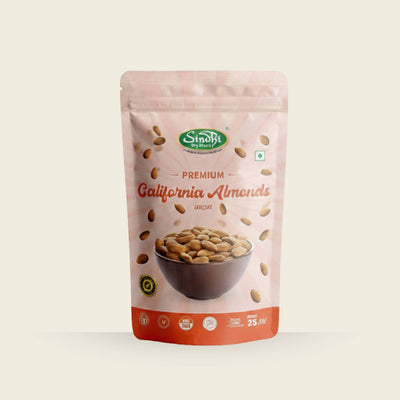
प्रीमियम बादाम – ताज़ा कुरकुरा बादाम, पोषक तत्वों से भरपूर कैलिफ़ोर्निया किस्म
बीजरहित कजूर 400 ग्राम
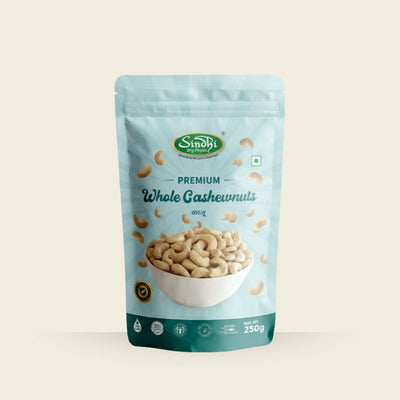
प्रीमियम काजू – बड़े साबुत काजू, खाना बनाने और स्नैकिंग के लिए ताज़े

प्रीमियम किशमिश – नरम बीज रहित किशमिश, प्राकृतिक रूप से मीठी और चबाने योग्य
संवादात्मक
द स्केल लैब
अपनी जरूरत के हिसाब से मात्रा समायोजित करें
मखाना फॉक्स नट्स, भारतीय – प्राकृतिक रूप से फाइबर युक्त फूल मखाने, 250 ग्राम 2.0 cup खरीदें →
बीजरहित कजूर 400 ग्राम 0.5 cup खरीदें →
प्रीमियम काजू – बड़े साबुत काजू, खाना बनाने और स्नैकिंग के लिए ताज़े 0.25 cup खरीदें →
प्रीमियम बादाम – ताज़ा कुरकुरा बादाम, पोषक तत्वों से भरपूर कैलिफ़ोर्निया किस्म 0.25 cup खरीदें →
प्रीमियम किशमिश – नरम बीज रहित किशमिश, प्राकृतिक रूप से मीठी और चबाने योग्य 0.25 cup खरीदें →
इलायची - जंबो साइज़ प्राकृतिक हरी इलायची 4.0 pods खरीदें →
Rock salt (sendha namak) 0.5 tsp
Pure ghee (optional) 1.0 tbsp
पोषण
सूखे मेवों और नट्स के स्वास्थ्य लाभ
पोषण संबंधी मान अनुमानित हैं। स्रोत: एनआईएन/आईसीएमआर। AI-सहायता प्राप्त सामग्री — इस जानकारी पर कार्रवाई करने से पहले किसी पंजीकृत पोषण विशेषज्ञ से सत्यापित करें।
अक्सर पूछे जाने वाले प्रश्न
Can we eat dry fruits during Navratri fasting?
Yes, dry fruits are among the most nourishing foods to consume during Navratri fasting. Makhana, almonds, dates, cashews, and raisins are all satvik (pure) foods traditionally permitted during vrat. They provide concentrated energy and nutrients without breaking the fast. Almonds, makhana, and dates each deliver concentrated nutrients — Vitamin E, magnesium, and potassium — without bulk, which may help sustain energy across the nine days of the fast.
Which dry fruits suit Navratri fasting?
For Navratri fasting, makhana, almonds, Medjoul dates, cashews, and raisins are among the most well-suited choices — satvik, nutrient-dense, and traditionally easy on the digestive system during the vrat. Makhana brings light, digestible energy; almonds contribute Vitamin E and healthy fats; Medjoul dates offer natural sweetness and potassium; cashews are a source of magnesium; and raisins bring iron. Together, they cover a wide nutritional range and can be eaten as a snack, made into energy balls, or added to milk for a nourishing fasting meal.
How much dry fruits can I eat during Navratri fasting?
A small handful (30 to 40g) of mixed dry fruits per sitting is a good starting point during Navratri fasting. This may provide steady energy without overloading the digestive system, which can be more sensitive during fasting periods. You may eat 2 to 3 such servings spread through the day. Nutrient absorption may improve when consumed with a small amount of warm milk or water.
Can makhana be eaten during Navratri?
Yes, makhana (fox nuts or phool makhana) is one of the most popular foods consumed during Navratri. It is satvik and has been a traditional fasting food across North India for generations. Makhana may be dry-roasted with a pinch of rock salt and cardamom for a simple vrat snack, or blended into energy balls with dates and nuts as in this recipe. Makhana’s appeal as a fasting food lies in its low fat content and starch that is traditionally considered gentle on the digestive system.
Are dates good for energy during Navratri fasting?
Dates are a well-known source of natural energy during Navratri fasting. They contain potassium (696 mg per 100g, per USDA FDC #168191) and natural sugars that may help support stable energy levels during the fast. Their fibre content may support digestion even during fasting periods. Medjoul and seedless kajoor dates are both popular choices during Navratri across Indian households.
अपने नज़दीकी बेहतरीन सूखे मेवे कहाँ से प्राप्त करें
1939 से, सिंधी ड्राई फ्रूट्स दिल्ली, मुंबई, बैंगलोर और अन्य शहरों में घरों तक बेहतरीन काजू, बादाम, अखरोट, पिस्ता और मौसमी सूखे मेवे पहुंचा रहा है। दिल्ली एनसीआर में उसी दिन डिस्पैच और अखिल भारतीय 2-दिवसीय डिलीवरी के साथ ऑनलाइन ऑर्डर करें।