

Ep. 02
Panchmewa Recipe: How to Make Navratri Prasad with 5 Dry Fruits
Try this sacred Panchmewa recipe — five dry fruits for Navratri prasad: makhana, raisins, dates, cheeronji & dried coconut. Ready in 10 minutes. Shop now.
What You'll Need
Ingredients for This Recipe

Makhana Fox Nuts, Indian – Naturally Fibre-Rich Phool Makhane, 250g

Premium Kishmish – Soft Seedless Raisins, Naturally Sweet & Chewy
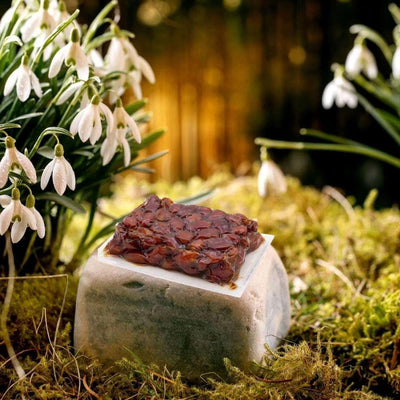
Seedless Kajoor 400g
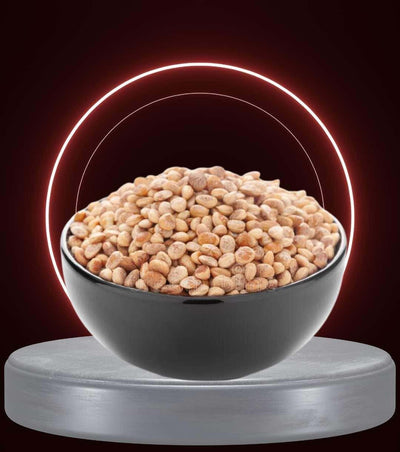
Chironji (Buchanania Lanzan)

Gola, Dried Coconut, Indian – Naturally Fibre-Rich
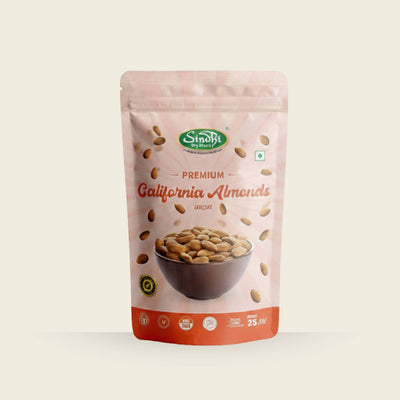
Premium Almonds – Fresh Crunchy Badam, Nutrient-Rich California Variety
Interactive
The Scale Lab
Adjust quantities for your serving size
Makhana Fox Nuts, Indian – Naturally Fibre-Rich Phool Makhane, 250g 0.5 cup Buy →
Premium Kishmish – Soft Seedless Raisins, Naturally Sweet & Chewy 3.0 tbsp Buy →
Seedless Kajoor 400g 6.0 pieces Buy →
Chironji (Buchanania Lanzan) 2.0 tbsp Buy →
Gola, Dried Coconut, Indian – Naturally Fibre-Rich 0.25 cup Buy →
Premium Almonds – Fresh Crunchy Badam, Nutrient-Rich California Variety 2.0 tbsp Buy →
Elaichi - Jumbo Size Natural Green Cardamom 3.0 pods Buy →
Desi Khand 500g 1.0 tbsp Buy →
Ghee 1.0 tsp
Nutrition
Health Benefits of Dry Fruits & Nuts
Nutritional values are approximate. Source: NIN/ICMR. AI-assisted content — verify with a registered nutritionist before acting on this information.
Frequently Asked Questions
Which five dry fruits are used in panchmewa prasad?
The five traditional panchmewa dry fruits are makhana (fox nuts), raisins, dates, cheeronji (chironji seeds), and dried coconut. Regional variations exist — some Rajasthani recipes include almonds as the fifth element instead of coconut. In the Sindhi and North Indian Navratri tradition, the version with makhana, raisins, dates, cheeronji, and coconut is most common. All five are naturally vrat-friendly and appear in Navratri prasad offerings across North India.
Can we eat panchmewa during Navratri vrat?
Yes — panchmewa is one of the most traditional Navratri prasad foods precisely because all five ingredients are sattvic and vrat-approved. None of them contain grains (which are typically avoided during Navratri fasting), they are naturally sweet without refined sugar, and the combination of dry fruits benefits covers protein from makhana, iron from raisins, and naturally occurring sugars from dates. It is both a devotional offering and a genuinely nourishing fasting food.
What are the health benefits of dry fruits in panchmewa?
Panchmewa combines multiple dry fruits benefits in one bowl. Makhana provides plant-based protein (9.7g per 100g) and calcium (60mg per 100g) — both per ICMR-NIN 2020. Raisins supply iron (1.88mg per 100g, USDA FDC #09298), associated with supporting healthy energy levels. Almonds contribute Vitamin E (25.6mg per 100g, USDA FDC #12061), a fat-soluble antioxidant associated with skin health. Dates and raisins offer naturally occurring sugars. Dried coconut adds dietary fibre. Together, they may support energy, bone health, and satiety — which is why panchmewa has been offered as temple prasad for centuries.
How to make panchmewa without sugar for Navratri?
Absolutely — and this is how many traditional families make it. The natural sweetness of soaked raisins and chopped dates is sufficient for most palates. If you want a little more sweetness, khand (raw cane sugar crystals) is the traditional choice — 1 tablespoon is usually all that is needed for a 6-serving batch. Avoid refined white sugar in fasting prasad, as it is considered non-sattvic in many traditions.
How far in advance can I prepare panchmewa prasad?
Assemble panchmewa no more than 1–2 hours before the puja or serving. The roasted makhana (fox nuts) lose their crispness if combined with the moist raisins and dates for too long. To prepare further ahead: keep the roasted makhana in a separate dry, airtight container. Cut and soak the remaining ingredients. Combine everything just before offering. Once assembled, the panchmewa keeps for up to 24 hours in a cool, dry place in an airtight box — after that, refrigerate and consume within 3 days.
Where to Find Premium Dry Fruits Near You
Since 1939, Sindhi Dry Fruits has been supplying premium cashews, almonds, walnuts, pistachios and seasonal dry fruits to homes across Delhi, Mumbai, Bangalore and beyond. Order online with same-day dispatch to Delhi NCR and 2-day delivery pan-India.