

Ep. 02
Makhana Kheer Recipe: Creamy Shravan Fasting Sweet
Make rich, aromatic makhana kheer with premium fox nuts, whole milk & cardamom — a naturally light, fasting-safe Shravan sweet, ready in under 35 minutes.
What You'll Need
Ingredients for This Recipe

Makhana Fox Nuts, Indian – Naturally Fibre-Rich Phool Makhane, 250g
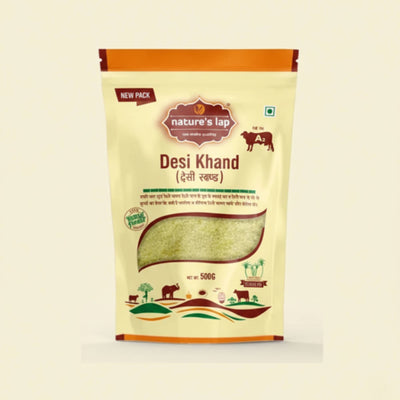
Desi Khand 500g
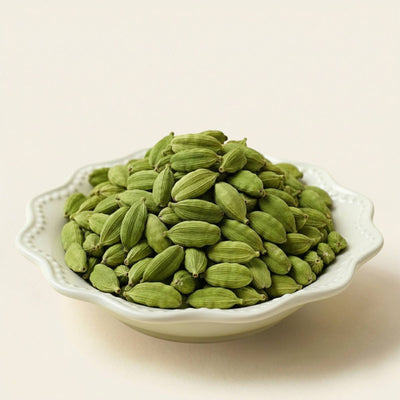
Elaichi - Jumbo Size Natural Green Cardamom
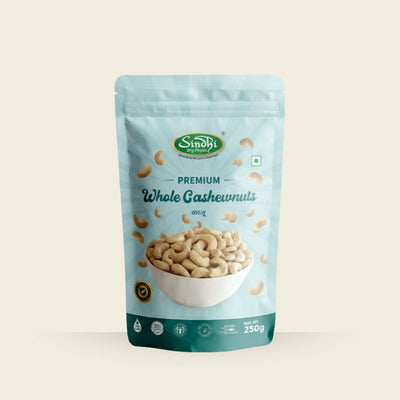
Premium Cashew Nuts – Large Whole Kaju, Fresh for Cooking & Snacking
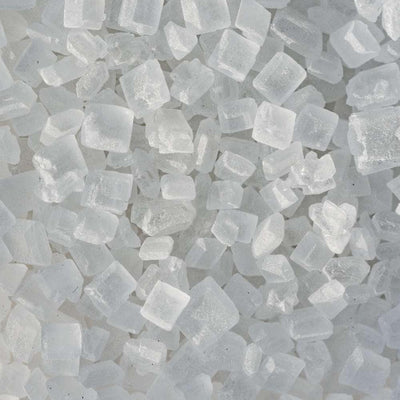
Mishri
Interactive
The Scale Lab
Adjust quantities for your serving size
Makhana Fox Nuts, Indian – Naturally Fibre-Rich Phool Makhane, 250g 2.0 cups Buy →
Full-fat milk 1.0 litre
Desi Khand 500g 0.333 cup Buy →
Elaichi - Jumbo Size Natural Green Cardamom 4.0 pods Buy →
Premium Cashew Nuts – Large Whole Kaju, Fresh for Cooking & Snacking 0.25 cup Buy →
Kesar (saffron) 8.0 strands
Ghee 1.0 tsp
Nutrition
Health Benefits of Dry Fruits & Nuts
Nutritional values are approximate. Source: NIN/ICMR. AI-assisted content — verify with a registered nutritionist before acting on this information.
Frequently Asked Questions
Is makhana kheer allowed in Shravan fast?
Yes — makhana kheer is one of the most widely consumed fasting foods during Shravan maas. Fox nuts (phool makhana) are classified as a satvik ingredient in the Indian fasting tradition and are permitted on Shravan Mondays, Ekadashi, and Navratri. Its low fat content and moderate protein — 9.7 g per 100 g per ICMR-NIN 2020 — make it a naturally light ingredient that may help maintain a sense of fullness during fasting days.
Can I make makhana kheer without sugar?
Absolutely. The makhana has a gentle natural sweetness of its own, and Medjoul dates blended into warm milk create a naturally sweet base without any refined sugar. Simply skip the Khand and stir in two soft pitted dates per serving. This also adds dietary fibre and natural potassium from the dates.
How long does makhana kheer stay fresh?
Store makhana kheer in an airtight container in the refrigerator for up to 2 days. As it rests, the makhana absorbs more milk and the kheer thickens — stir in a small splash of chilled milk before serving if needed. Do not leave it at room temperature for more than 2 hours as milk-based desserts are prone to spoilage in warm monsoon conditions.
What is the difference between makhana and lotus seeds?
Makhana (phool makhana or fox nuts) comes from Euryale ferox, a prickly aquatic plant found across South and East Asia, cultivated predominantly in Bihar and West Bengal in India. Lotus seeds come from the Nelumbo genus. While both are aquatic and sometimes confused, they are botanically distinct. Processed makhana — traditionally heat-popped — takes on a lightly puffed, spherical form and develops a satisfying crunch after roasting. Raw lotus seeds, by contrast, are denser and require different preparation. For kheer, makhana is far superior — it soaks up milk while still retaining a pleasant bite.
Why should I roast makhana before making kheer?
Dry-roasting makhana before adding it to milk transforms its texture from soft and spongy to lightly crisp. This step is critical: unroasted makhana disintegrates after just a few minutes of simmering, giving the kheer a starchy, paste-like consistency instead of the distinct pieces that make the dessert visually appealing. Roasting also deepens the flavour with a very mild nuttiness. Premium-grade fox nuts — larger and more uniform in size — tend to hold their shape better after roasting than smaller commodity varieties, which is why sourcing quality makhana matters when making kheer.
Where to Find Premium Dry Fruits Near You
Since 1939, Sindhi Dry Fruits has been supplying premium cashews, almonds, walnuts, pistachios and seasonal dry fruits to homes across Delhi, Mumbai, Bangalore and beyond. Order online with same-day dispatch to Delhi NCR and 2-day delivery pan-India.