

Ep. 01
Kaju Katli: The Authentic Indian Cashew Fudge You Can Make at Home
Restaurant-quality melt-in-mouth cashew fudge in 20 minutes — just three ingredients, no thermometer needed. The definitive guide from Sindhi Dry Fruits, makers of premium cashews since 1939.
What You'll Need
Ingredients for This Recipe
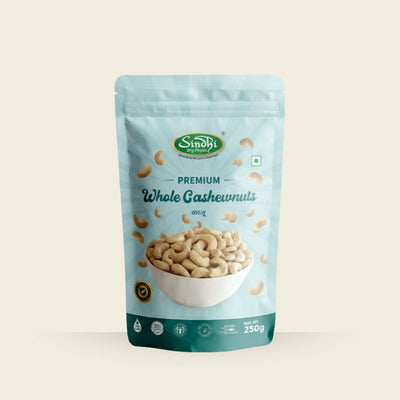
Premium Cashew Nuts – Large Whole Kaju, Fresh for Cooking & Snacking

Kaju, Cashew Nuts, Indian – Rich in Protein
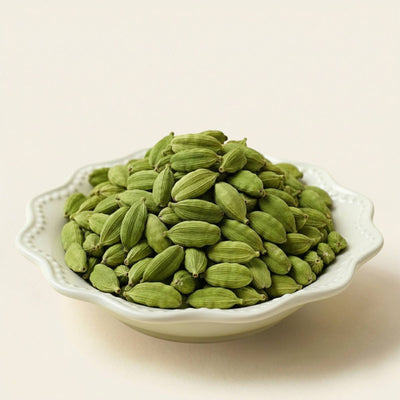
Elaichi - Jumbo Size Natural Green Cardamom
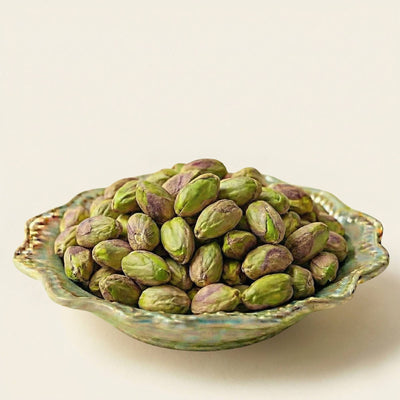
Pista Mota, Pistachio Kernels, Irani – Rich in Protein
Interactive
The Scale Lab
Adjust quantities for your serving size
Premium Cashew Nuts – Large Whole Kaju, Fresh for Cooking & Snacking 2.0 cup Buy →
Caster Sugar 1.0 cup
Water 0.25 cup
Elaichi - Jumbo Size Natural Green Cardamom 0.25 tsp Buy →
Pista Mota, Pistachio Kernels, Irani – Rich in Protein 2.0 tbsp Buy →
Ghee 1.0 tsp
Nutrition
Health Benefits of Dry Fruits & Nuts
Nutritional values are approximate. Source: NIN/ICMR. AI-assisted content — verify with a registered nutritionist before acting on this information.
Frequently Asked Questions
How do I know when the sugar syrup is at the right consistency for kaju katli?
The single-thread test is your definitive guide. Dip a clean, dry spoon into the syrup, wait 3 seconds for it to cool, then press a drop between your thumb and forefinger and pull apart slowly. A clean, unbroken thread of 1–2 cm indicates single-thread consistency — the correct stage for kaju katli.
On a sugar thermometer, single-thread corresponds to 110–112°C. If you over-cook to two-thread (114–116°C), the katli will crystallise and turn grainy. Under-cooked syrup produces katli that stays sticky even after cooling. The window between underdone and overdone is approximately 30–45 seconds on medium heat — watch closely from the 4-minute mark.
Why does my kaju katli turn out grainy instead of smooth?
Graininess in kaju katli has two common causes. First, the sugar syrup was cooked too far past single-thread consistency — the excess heat causes sugar crystals to form as the mixture cools. Second, you stirred the syrup after it reached a boil, which seeds crystallisation. Stir gently only until the sugar fully dissolves, then leave the syrup completely undisturbed.
Adding 5 drops of lime juice to the boiling syrup prevents crystallisation. Also ensure your cashew powder is completely dry. For dry fruits benefits beyond taste, quality raw cashews like Sindhi's premium whole cashews have a naturally lower water content, which translates to finer grinding and smoother katli.
How long does homemade kaju katli stay fresh?
Homemade kaju katli stays fresh for 5–7 days at room temperature in an airtight container, or up to 2 weeks refrigerated. Unlike dairy-based sweets, there is no milk or cream in traditional kaju katli, so it resists spoilage well.
For longer storage, layer individual pieces between parchment sheets inside the container to prevent sticking and moisture transfer. If the katli develops a white coating (bloom), it is sugar crystallisation, not mould — it is still safe to eat. This is why one of the key dry fruits benefits is their natural keeping quality: sugar-preserved confections made from low-moisture nuts like cashews stay fresh far longer than flour-based sweets.
Can I make kaju katli with roasted cashews?
Technically yes, but not recommended. Roasted cashews have already been exposed to heat, which affects the way oil distributes during grinding — you will reach oily, paste-like texture faster than with raw cashews, leaving a narrower safe processing window. The flavour also changes: roasted cashew katli has a more toasted, less delicate taste than the classic version.
For traditional kaju katli, use raw, premium whole cashews. Sindhi Dry Fruits whole cashew nuts are sun-dried at low temperatures to preserve the natural flavour compounds that give authentic katli its distinctive clean sweetness. If you want a toasted note, grind 90% raw and 10% very lightly roasted cashews together.
What dry fruits can I add to kaju katli for variation?
The most classic addition is pistachio — finely sliced and pressed into the surface before cutting, it adds visual contrast and a mild nuttiness. A saffron (kesar) variation replaces cardamom with a few soaked saffron strands dissolved in one tablespoon of warm water, stirred into the dough at the end.
For a premium dry fruits benefits twist, add two tablespoons of almond powder alongside the cashew powder — almonds provide Vitamin E and a slightly denser texture. A rose petal version (gulab kaju katli) uses a teaspoon of food-grade rose water in place of plain water. For a festival gift-worthy presentation, press a single whole pistachio kernel into the centre of each diamond before the katli fully sets.
Where can I buy cashews for kaju katli?
Kaju katli is only as good as the cashew behind it. Our whole Indian kaju, hand-sorted before dispatch as they have been since 1939, grind to a dry, even powder that sets clean; every grade we stock is in the loose cashews collection.
If the katli is going out as a gift, our premium cashew packs sit well beside it.
Where to Find Premium Dry Fruits Near You
Since 1939, Sindhi Dry Fruits has been supplying premium cashews, almonds, walnuts, pistachios and seasonal dry fruits to homes across Delhi, Mumbai, Bangalore and beyond. Order online with same-day dispatch to Delhi NCR and 2-day delivery pan-India.