

Ep. 02
Badam Halwa Recipe: Saffron-Kissed Janmashtami Sweet
Try our badam halwa recipe — slow-cooked almonds in pure ghee with saffron and Desi Khand. A glistening, traditional Janmashtami prasad ready in 45 minutes.
What You'll Need
Ingredients for This Recipe
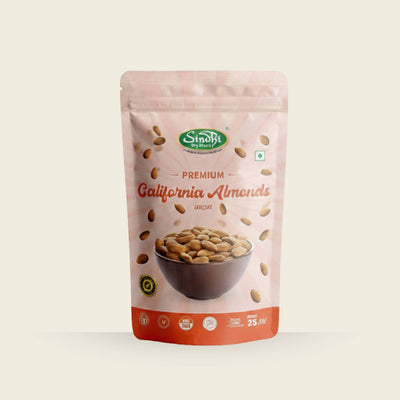
Premium Almonds – Fresh Crunchy Badam, Nutrient-Rich California Variety

Badam Mamra Jumbo, Single-Origin Irani Mamra – Rich in Vitamin E
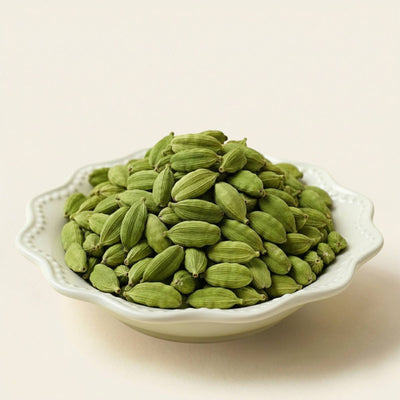
Elaichi - Jumbo Size Natural Green Cardamom
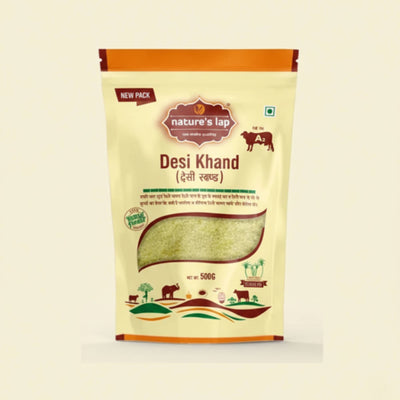
Desi Khand 500g
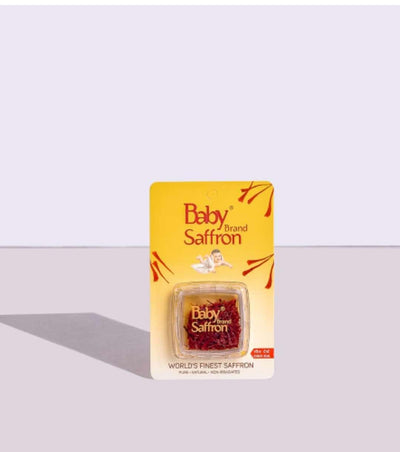
BABY Kesar
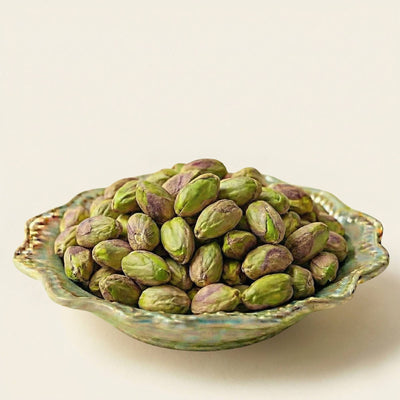
Pista Mota, Pistachio Kernels, Irani – Rich in Protein
Interactive
The Scale Lab
Adjust quantities for your serving size
Premium Almonds – Fresh Crunchy Badam, Nutrient-Rich California Variety 1.0 cup Buy →
Pure ghee 3.0 tbsp
Desi Khand 500g 0.75 cup Buy →
Elaichi - Jumbo Size Natural Green Cardamom 0.5 tsp Buy →
Saffron strands 0.1 g
Rose water (optional) 1.0 tsp
Nutrition
Health Benefits of Dry Fruits & Nuts
Nutritional values are approximate. Source: NIN/ICMR. AI-assisted content — verify with a registered nutritionist before acting on this information.
Frequently Asked Questions
Is badam halwa difficult to make at home?
Not at all — badam halwa requires no special equipment and just one heavy pan. The only skill it demands is patience: the almond paste must cook slowly over low heat with continuous stirring until the colour deepens and the ghee separates. This badam halwa recipe walks you through each stage so you can replicate it confidently at home, even on the first attempt.
How long can I store badam halwa?
In an airtight container in the refrigerator, badam halwa keeps well for 5–6 days. At room temperature in a cool, dry place, it lasts 1–2 days. To reheat, add a teaspoon of warm milk and stir gently over low heat until it returns to its glistening, spreadable texture. Badam halwa does not freeze well — the texture turns grainy on thawing.
Can I make badam halwa without ghee?
Ghee is central to the flavour and texture of authentic badam halwa — substituting it significantly changes the result. Using 2 tablespoons instead of 3 reduces richness slightly without ruining the recipe. For a dairy-free version, refined coconut oil can replace ghee; the flavour will differ, and the dry fruits benefits of the recipe remain intact through the almonds, which carry the full nutritional load regardless.
What are the dry fruits benefits of almonds in badam halwa?
Almonds are among the most nutrient-dense dry fruits. The dry fruits benefits they bring to badam halwa include Vitamin E (25.6 mg per 100g raw almonds — approximately 171% of daily value, per USDA FDC #12061), magnesium (270 mg per 100g), protein (21.2 g per 100g), and naturally occurring monounsaturated fats associated with heart health. These figures are for raw almonds per 100g; the cooked halwa’s per-serving contribution will vary based on portion size.
Why is badam halwa traditionally offered as Janmashtami prasad?
Almonds (badam) have been considered sattvic — pure, nourishing, and supportive of mental clarity — in Ayurvedic and devotional traditions for centuries. Badam halwa’s rich, warming nature makes it fitting for Janmashtami’s night-long vigil, and the saffron adds auspiciousness (kesar is regarded as sacred across multiple Indian traditions). The use of ghee aligns with the custom of offering only the finest ingredients as prasad. Historically, badam halwa has been prepared in temple kitchens across northern India during Janmashtami for generations.
Where to Find Premium Dry Fruits Near You
Since 1939, Sindhi Dry Fruits has been supplying premium cashews, almonds, walnuts, pistachios and seasonal dry fruits to homes across Delhi, Mumbai, Bangalore and beyond. Order online with same-day dispatch to Delhi NCR and 2-day delivery pan-India.