

Ep. 01
Badam Milk Recipe: Creamy Saffron Almond Drink
A classic Indian warming drink ready in 20 minutes
What You'll Need
Ingredients for This Recipe
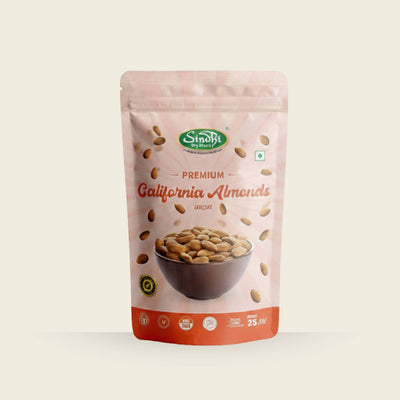
Premium Almonds – Fresh Crunchy Badam, Nutrient-Rich California Variety

Badam Mamra Jumbo, Single-Origin Irani Mamra – Rich in Vitamin E
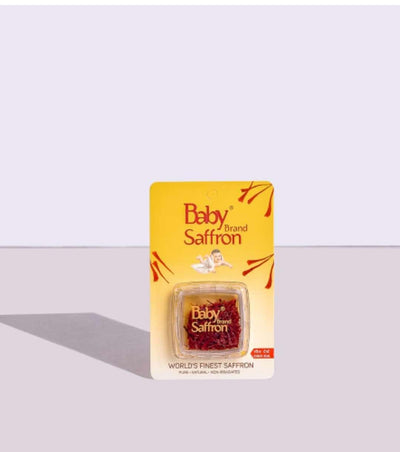
BABY Kesar
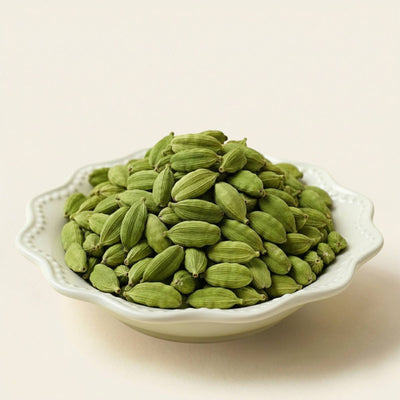
Elaichi - Jumbo Size Natural Green Cardamom
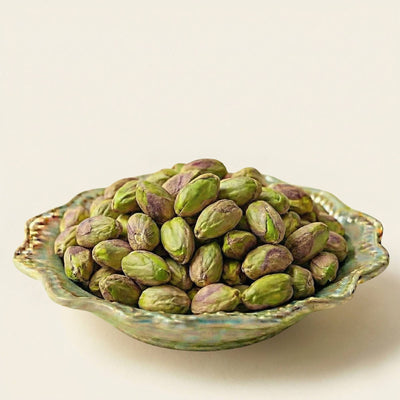
Pista Mota, Pistachio Kernels, Irani – Rich in Protein
Interactive
The Scale Lab
Adjust quantities for your serving size
Premium Almonds – Fresh Crunchy Badam, Nutrient-Rich California Variety 1.0 cup Buy →
Full-Fat Milk 4.0 cups
Desi Khand 500g 3.0 tbsp Buy →
Saffron (Kesar) 0.25 tsp
Elaichi - Jumbo Size Natural Green Cardamom 0.5 tsp Buy →
Pista Mota, Pistachio Kernels, Irani – Rich in Protein 1.0 tbsp Buy →
Nutrition
Health Benefits of Dry Fruits & Nuts
Nutritional values are approximate. Source: NIN/ICMR. AI-assisted content — verify with a registered nutritionist before acting on this information.
Frequently Asked Questions
Is badam milk good for health?
Yes — badam milk is one of the most nutrient-dense traditional Indian drinks. The dry fruits benefits come primarily from almonds: Vitamin E (linked to skin and cellular health), magnesium (may support nerve and muscle function), and healthy monounsaturated fats. Combined with the anti-inflammatory properties traditionally associated with saffron and cardamom, badam milk is a warming, nourishing drink that Indian households have relied on for centuries.
Can I make badam milk without soaking almonds?
Technically yes, but soaking is strongly recommended. Unsoaked almonds produce a grainier, slightly bitter milk because the tannins in the skin remain intact. Soaking for 8 hours (or 2 hours in hot water) softens the skin so it peels cleanly, and also activates the almond’s natural enzymes — making the nutrients easier to absorb. It’s a small step that makes a large difference in both taste and nutrition.
What are the dry fruits benefits in badam milk?
The primary dry fruits benefits in badam milk come from the almonds: Vitamin E at 25.6 mg per 100g (well above the daily requirement), magnesium at 270 mg per 100g, and protein at 21.2 g per 100g — all from USDA FoodData Central data. The pistachio garnish adds a small dose of B6 and healthy fats. Saffron is traditionally associated with mood-lifting properties (crocin and safranal compounds), though quantities used in a single glass are modest.
Can I make cold badam milk?
Yes — badam milk is delicious served cold, especially during summer or the early Indian monsoon season. Prepare the full recipe as described, let it cool completely, then refrigerate for 2 hours. Serve over ice with extra saffron strands and sliced pistachios. Cold badam milk thickens as it chills — if it becomes too thick, thin it with a splash of cold milk before serving.
Which almonds are best for badam milk?
The best almonds for badam milk are Irani Mamra almonds — their higher natural oil content gives the milk a richer, creamier body and a more pronounced almond flavour compared to regular California almonds. Sindhi Dry Fruits’ Badam Mamra Jumbo is the house recommendation for this recipe. If Mamra is unavailable, premium Gurbandi almonds are the next best choice for their strong flavour and high fat content.
Where to Find Premium Dry Fruits Near You
Since 1939, Sindhi Dry Fruits has been supplying premium cashews, almonds, walnuts, pistachios and seasonal dry fruits to homes across Delhi, Mumbai, Bangalore and beyond. Order online with same-day dispatch to Delhi NCR and 2-day delivery pan-India.