

Hair loss and thinning are among the most common concerns women approach nutritionists about. While hair health has multiple causes — genetics, hormonal imbalances, thyroid issues, stress — nutritional deficiencies are a significant, correctable factor. Biotin, zinc, iron, omega-3s, and vitamin E are among the nutrients most directly linked to hair follicle health.
Important note: Dietary changes support hair health over weeks and months — they are not quick fixes. If you are experiencing sudden or severe hair loss, please consult a dermatologist or endocrinologist.
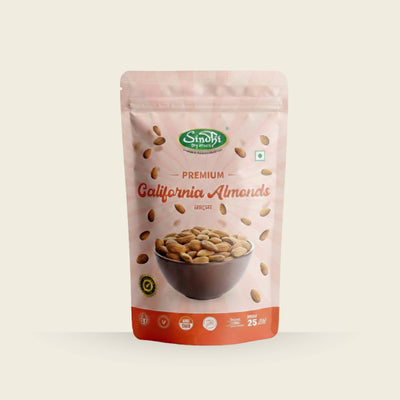
1. Almonds Biotin and Vitamin E for Hair Follicles
Almonds are rich in biotin (vitamin B7), which is essential for the production of keratin — the protein that makes up hair. They also contain vitamin E, which improves blood circulation to the scalp.
A 2019 study published in the Journal of Cosmetic Dermatology found that vitamin E supplementation improved hair count by 34.5% in participants with hair loss. While almonds alone won't replicate supplement doses, daily consumption contributes meaningfully to vitamin E intake.
How to use: Eat 10–15 soaked almonds daily, or blend into a smoothie or almond milk.
2. Walnuts — Omega-3 and Biotin for Scalp Health
Walnuts contain biotin, vitamin E, omega-3 fatty acids, and zinc — essentially a hair-health cocktail. Omega-3s nourish hair follicles and add lustre and elasticity to strands. Zinc deficiency is one of the most common nutritional causes of telogen effluvium (hair shedding), and walnuts provide a meaningful amount of dietary zinc.
How to use: 4–6 walnut halves daily as a snack, or crushed over oatmeal or curd.
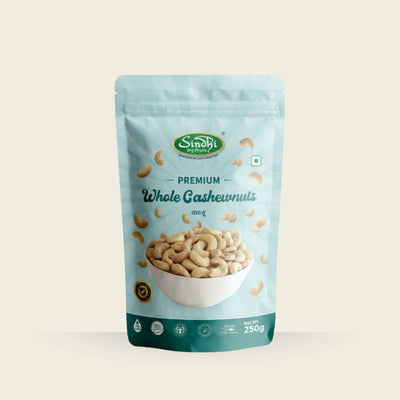
3. Cashews — Zinc for Hair Growth Cycle
Zinc supports the hair growth and repair cycle. A deficiency is linked to a dry, flaky scalp and hair thinning. Cashews are one of the better nut sources of zinc, providing around 1.6mg per 28g serving.
Sindhi's roasted cashews are lightly salted — a convenient snack that's easy to incorporate daily.
How to use: A small handful (10–12 cashews) daily.
4. Dried Figs — Iron to Prevent Hair Loss from Anaemia
Iron-deficiency anaemia is one of the leading nutritional causes of hair loss in women. When the body lacks iron, it prioritises vital organ function over hair follicle nourishment, causing hair to thin and shed. Dried figs, particularly Anjeer, provide non-haeme iron along with vitamin C (in small amounts), which helps with iron absorption.
How to use: 2–3 figs daily, ideally with a vitamin C source like amla or lemon water to enhance iron absorption.
5. Sunflower Seeds — Vitamin E and Selenium
Sunflower seeds are one of the richest food sources of vitamin E. They also provide selenium, a mineral that supports antioxidant defence in hair follicles and may protect against oxidative damage that contributes to premature greying.
Sindhi's raw sunflower seeds are natural and unsalted — ideal for daily use.
How to use: A tablespoon sprinkled on salads, curd, or eaten as a snack.
6. Pumpkin Seeds — Zinc and DHT Blocking Properties
Pumpkin seeds have gathered attention for their potential role in hair growth. A small 2014 clinical trial published in Evidence-Based Complementary and Alternative Medicine found that pumpkin seed oil supplementation increased hair count in men with androgenetic alopecia. While the evidence for women is less robust, pumpkin seeds' zinc and phytosterol content makes them a worthwhile addition to a hair-supportive diet.
Sindhi's natural pumpkin seeds (250g) are raw, unsalted, and easy to incorporate into daily eating.
How to use: A small handful (15–20g) daily.
Hair Growth Dry Fruits: What to Eat Daily
A practical daily hair-health snack mix from your kitchen:
- 10 soaked almonds
- 4 walnut halves
- 10 cashews
- 1 tablespoon sunflower or pumpkin seeds
- 2 dried figs
Total: a small bowl that provides biotin, zinc, iron, omega-3s, and vitamin E — the core nutrition your hair follicles need.


