

Editorial Note: This article is written by the nutrition and wellness content team at Sindhi Dry Fruits, drawing on publicly available nutritional science, ICMR dietary guidelines, and over 85 years of sourcing expertise. It is intended for general informational purposes only and does not substitute advice from a qualified healthcare provider. Pregnant women and those with specific health conditions should always consult their doctor before making dietary changes.
Introduction: Why Dry Fruits Matter Differently for Women
Women's nutritional needs are not the same as men's — and that's not a minor footnote. Across different life stages, from reproductive years to pregnancy and beyond, women require specific nutrients: iron to compensate for menstrual losses, folate for fetal development, biotin and zinc for hair health, and calcium for bone density. Dry fruits are among the most nutrient-dense, convenient, and traditional foods that can address many of these needs naturally.
At Sindhi Dry Fruits, we have been sourcing premium dry fruits from across the world since 1939 from California almonds to Afghani figs to Iranian Mamra. In this guide, we walk you through exactly which dry fruits support women's health at each stage of life, what the science says, and how to incorporate them daily without overthinking it.
Part 1: Best Dry Fruits for Women's Health and Energy
Women often face fatigue from iron-deficiency anaemia, hormonal fluctuations, or simply a demanding lifestyle. The right dry fruits can provide sustained energy, hormonal balance, and key micronutrients — without reaching for processed snacks.
1. Almonds (Badam) — The Everyday Powerhouse
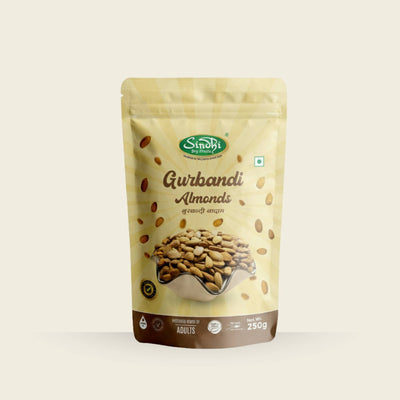
Almonds are arguably the most well-researched nut for women's health. A 28g serving (about 23 almonds) provides approximately 6g of protein, 3.5g of fibre, and meaningful amounts of vitamin E, magnesium, and calcium.
Why it matters for women:
- Vitamin E is a fat-soluble antioxidant that supports skin health and may help reduce oxidative stress during the menstrual cycle.
- Magnesium plays a role in reducing PMS symptoms, particularly bloating and mood changes, according to research published in nutritional journals.
- Calcium supports bone density — a key concern for women, who are more susceptible to osteoporosis after menopause.
Sindhi Dry Fruits offers both classic California Almonds and the more nutrient-dense Gurbandi Almonds from Afghanistan, which are smaller, oil-richer, and traditionally preferred in Ayurvedic nutrition.
Daily recommendation: 10–15 almonds, ideally soaked overnight to improve digestion and nutrient absorption.
2. Walnuts (Akhrot) — The Brain and Hormone Supporter
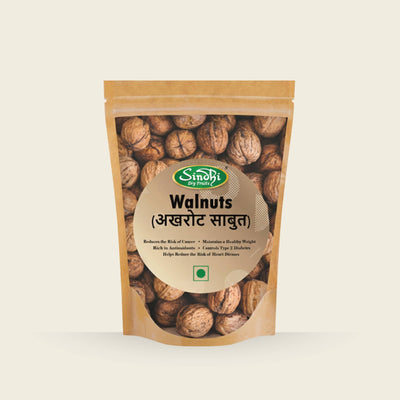
Walnuts are one of the few plant sources of ALA (alpha-linolenic acid), the plant-based omega-3 fatty acid. For women, omega-3s support cognitive function, reduce inflammation, and may help regulate the hormonal fluctuations associated with PCOS and perimenopause.
Why it matters for women:
- Omega-3 fatty acids support prostaglandin synthesis, which helps reduce menstrual cramp intensity.
- Walnuts contain melatonin and polyphenols, supporting better sleep — a common issue for women during hormonal transitions.
- Their copper content supports thyroid function, which is disproportionately affected in women.
Daily recommendation: 4–6 walnut halves per day. Sindhi's Chilean Walnut Kernels are carefully selected for freshness and minimal rancidity.
3. Dates (Khajoor) — Natural Iron and Energy
Dates are a concentrated source of natural sugars, iron, potassium, and B vitamins. They provide fast, clean energy without the crash associated with refined sugar.
Why it matters for women:
- Iron supports healthy haemoglobin levels, particularly important for women who experience heavy periods.
- Potassium helps reduce water retention and blood pressure.
- Natural sugars in dates provide a quick energy lift during the mid-afternoon slump.
Daily recommendation: 2–4 dates per day. Pair with a small handful of nuts to slow sugar absorption.

4. Dried Figs (Anjeer) — Calcium and Digestive Health
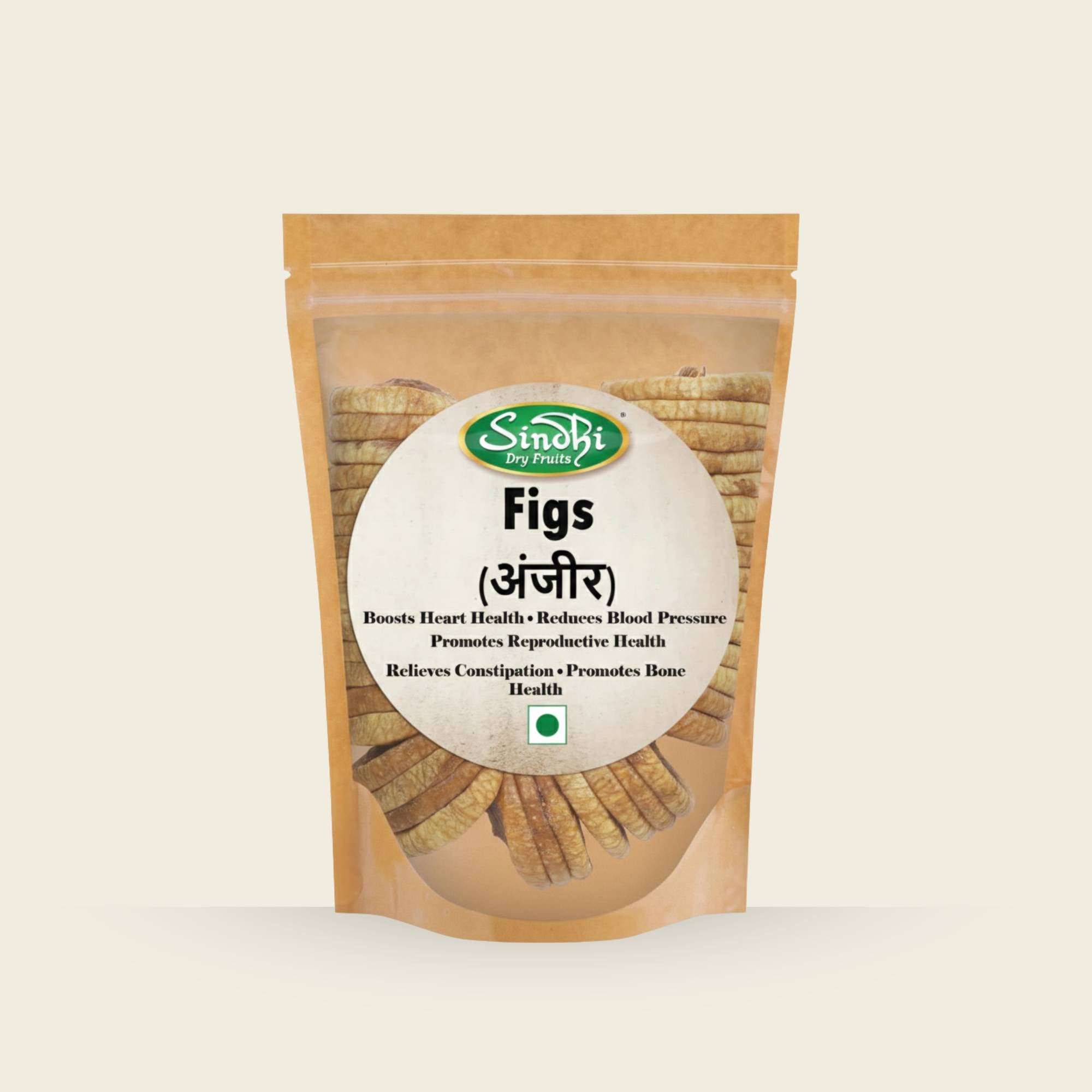
Dried figs are one of the highest plant sources of calcium among dry fruits — approximately 162mg per 100g. They also contain a prebiotic fibre called pectin, which supports gut health.
Why it matters for women:
- Calcium supports bone strength, particularly important post-menopause.
- Figs contain phytoestrogens — plant compounds that may gently support hormonal balance.
- Their fibre content aids digestion and helps manage cholesterol.
Sindhi's Afghani Anjeer is sun-dried and naturally sweet, without added sugar or preservatives.
Daily recommendation: 2–3 figs daily.
5. Raisins (Kishmish) — Iron and Antioxidants
Raisins are concentrated grapes, meaning they pack a lot of iron, boron, and antioxidants into a small serving. Boron is a trace mineral that supports estrogen levels and bone health in women.
Why it matters for women:
- Iron from raisins helps combat fatigue due to anaemia.
- Boron supports calcium absorption and estrogen metabolism.
- Natural tartaric acid in raisins supports gut motility.
Daily recommendation: A small palmful (20–25g) daily. Sindhi's Green Kishmish is naturally sweet and free from artificial colouring.
Quick Reference Table: Dry Fruits for Women's Health
| Dry Fruit | Key Nutrients | Primary Benefit for Women |
|---|---|---|
| Almonds | Vitamin E, Magnesium, Calcium | Bone health, PMS, skin |
| Walnuts | Omega-3, Copper, Melatonin | Hormones, brain, sleep |
| Dates | Iron, Potassium, B vitamins | Energy, blood health |
| Dried Figs | Calcium, Pectin, Phytoestrogens | Bone density, digestion |
| Raisins | Iron, Boron, Antioxidants | Anaemia, estrogen balance |
| Cashews | Zinc, Magnesium, Protein | Immunity, mood, skin |
| Pistachios | Protein, Lutein, Fibre | Heart health, eye health |


