

Ep. 02
Makhana Kheer Recipe — Navratri
A light, aromatic fasting dessert made with premium fox nuts, saffron, and Desi Khand
What You'll Need
Ingredients for This Recipe

Makhana Fox Nuts, Indian – Naturally Fibre-Rich Phool Makhane, 250g
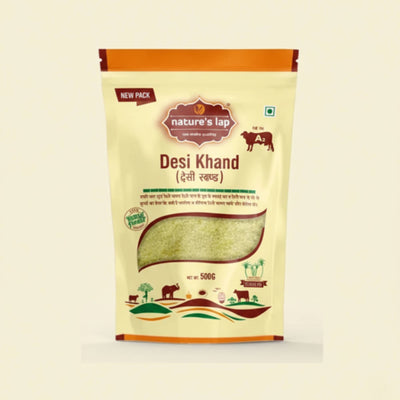
Desi Khand 500g
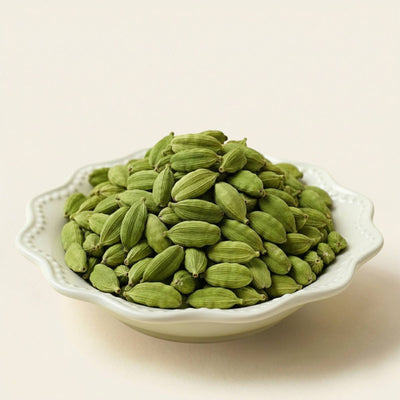
Elaichi - Jumbo Size Natural Green Cardamom

Sindhi Saffron Honey Jar 500g
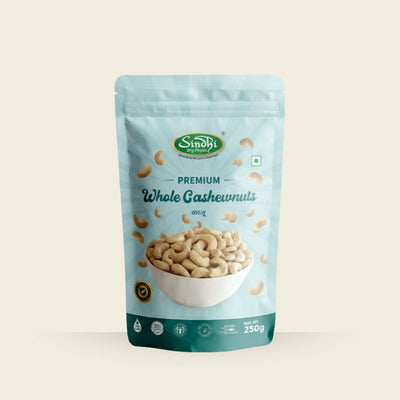
Premium Cashew Nuts – Large Whole Kaju, Fresh for Cooking & Snacking

Kishmish Kandhari, Afghan – Iron-Rich
Interactive
The Scale Lab
Adjust quantities for your serving size
Makhana Fox Nuts, Indian – Naturally Fibre-Rich Phool Makhane, 250g 2.0 cups Buy →
Full-fat milk 1.0 litre
Desi Khand 500g 3.0 tablespoons Buy →
Elaichi - Jumbo Size Natural Green Cardamom 4.0 pods Buy →
Saffron (Kesar) 8.0 strands
Kishmish (Afghan Raisins) 2.0 tablespoons
Premium Cashew Nuts – Large Whole Kaju, Fresh for Cooking & Snacking 10.0 pieces Buy →
Nutrition
Health Benefits of Dry Fruits & Nuts
Nutritional values are approximate. Source: NIN/ICMR. AI-assisted content — verify with a registered nutritionist before acting on this information.
Frequently Asked Questions
Why is makhana perfect for Navratri fasting?
Makhana has been a cornerstone of North Indian Navratri fasting for centuries. It is considered satvik — free of grains, onion, and garlic — which makes it permissible under the strictest vrat dietary codes.
From a culinary standpoint, makhana’s mild, slightly creamy flavour absorbs the milk, saffron, and cardamom in this kheer without overpowering them. Its light, airy texture becomes gently yielding once simmered, creating the dessert’s characteristic body.
Adding premium dry fruits such as raisins, cashews, and almonds brings natural iron, healthy fats, and antioxidants to make makhana-based dishes a wholesome, heritage-inspired fasting option.
Can I make makhana kheer ahead of time?
Yes — makhana kheer is one of the few desserts that actually improves overnight. After cooking, allow it to cool to room temperature, then refrigerate covered for up to 48 hours. The makhana continues to absorb the sweetened milk as it chills, creating a denser, more traditional puja prasad texture.
Before serving, check the consistency. If it has thickened beyond your preference, stir in 2–3 tablespoons of cold full-fat milk and mix gently. Serve cold, or at room temperature for a softer, creamier mouthfeel.
What do premium dry fruits add to makhana kheer?
Adding premium dry fruits significantly elevates both the flavour and nutritional depth of the kheer. Cashews add copper and magnesium that are associated with energy metabolism; raisins bring natural iron and antioxidants; saffron lends its legendary fragrance and prized culinary heritage.
Together, they transform a simple milk dessert into a wholesome, heritage-inspired fasting meal — aligned with Sindhi culinary tradition since 1939.
Can I vary the sweetness or adapt this recipe for dietary restrictions?
Makhana is naturally gluten-free and free of tree-nut allergens, making it a versatile base for many dietary needs. This recipe uses Desi Khand for its caramel-edged depth and its longstanding place in traditional North Indian mithai — an unrefined cane sugar that brings a richer character than refined sugar.
For those reducing sugar intake for any reason, reduce the Desi Khand to 1–1.5 tablespoons and allow the natural sweetness of the kishmish and saffron to round the kheer. Anyone following a medically-directed diet should consult their healthcare provider about suitable adaptations.
What is the best makhana to use for kheer?
For kheer, choose large, round, evenly puffed makhana — the kind sold by a specialist dry fruits store rather than a generic supermarket shelf. Grade A makhana puffs are ivory-white, free of brown spots or hollow centres. They roast evenly and hold their shape while softening gracefully in milk.
At Sindhi Dry Fruits, our makhana is sourced from Mithila, Bihar — the heartland of phool makhana cultivation in India. Stored in an airtight container away from moisture, they stay fresh and fragrant for 4–6 months.
Where to Find Premium Dry Fruits Near You
Since 1939, Sindhi Dry Fruits has been supplying premium cashews, almonds, walnuts, pistachios and seasonal dry fruits to homes across Delhi, Mumbai, Bangalore and beyond. Order online with same-day dispatch to Delhi NCR and 2-day delivery pan-India.