

Ep. 01
Dry Fruit Barfi Recipe: Saffron Kaju Sweet for Eid
Make melt-in-mouth dry fruit barfi for Eid in under 30 minutes — premium cashews, pistachios & saffron from Sindhi Dry Fruits. Perfect for festival gifting.
What You'll Need
Ingredients for This Recipe
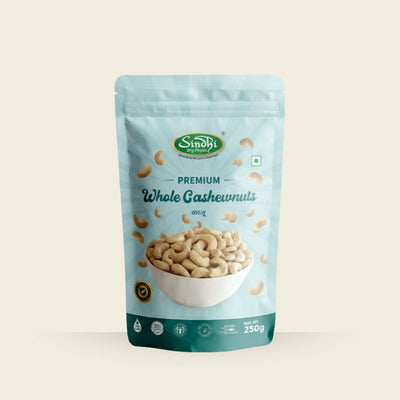
Premium Cashew Nuts – Large Whole Kaju, Fresh for Cooking & Snacking
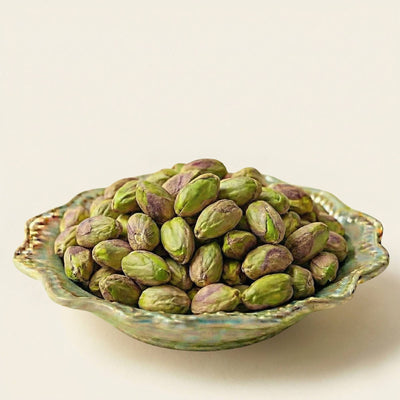
Pista Mota, Pistachio Kernels, Irani – Rich in Protein
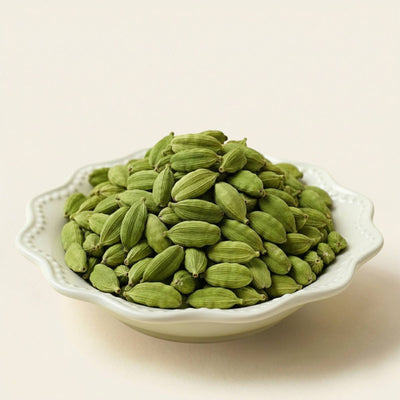
Elaichi - Jumbo Size Natural Green Cardamom
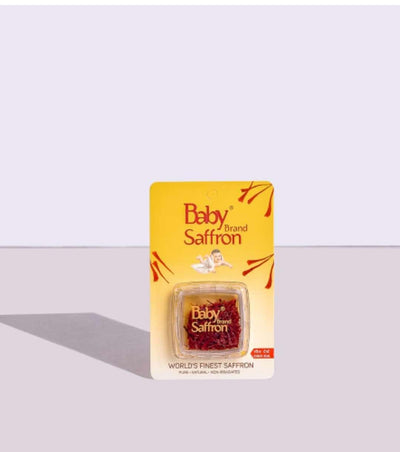
BABY Kesar
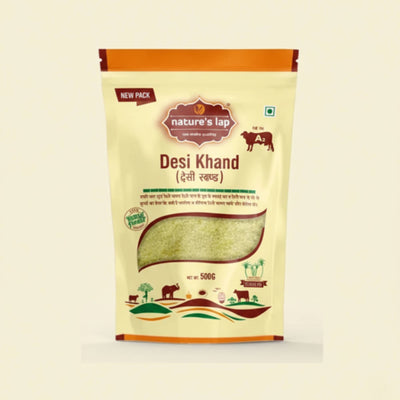
Desi Khand 500g

Premium Kishmish – Soft Seedless Raisins, Naturally Sweet & Chewy
Interactive
The Scale Lab
Adjust quantities for your serving size
Premium Cashew Nuts – Large Whole Kaju, Fresh for Cooking & Snacking 2.0 cups Buy →
Pista Mota, Pistachio Kernels, Irani – Rich in Protein 0.5 cup Buy →
Khoya (Mawa) 1.0 cup
Desi Khand 500g 0.75 cup Buy →
Pure Ghee 2.0 tbsp
Elaichi - Jumbo Size Natural Green Cardamom 6.0 pods Buy →
BABY Kesar 10.0 strands Buy →
Whole Milk (warm) 2.0 tbsp
Nutrition
Health Benefits of Dry Fruits & Nuts
Nutritional values are approximate. Source: NIN/ICMR. AI-assisted content — verify with a registered nutritionist before acting on this information.
Frequently Asked Questions
Can I make dry fruit barfi without khoya?
Yes — you can substitute khoya with full-fat milk powder mixed with a small amount of fresh cream or condensed milk to get a similar richness. Use 1 cup milk powder + 3 tablespoons fresh cream. The texture will be slightly different but equally satisfying. Many home cooks in Delhi use this shortcut during Eid when fresh khoya sells out quickly.
How long does homemade kaju barfi stay fresh?
At room temperature (under 25°C), kaju barfi stays fresh for 3 days in an airtight container. In the refrigerator it keeps well for up to 10 days. For Eid gifting, pack in a parchment-lined box and refrigerate until delivery day — the barfi holds its shape and texture perfectly. The dry fruits benefits of cashews and pistachios include natural oils that act as mild preservatives, helping extend shelf life compared to purely sugar-based sweets.
What is the difference between kaju katli and kaju barfi?
Kaju katli is made purely from cashew paste and sugar syrup cooked to a soft-ball stage, producing a very thin, pliable, almost silky sweet. Kaju barfi uses khoya (reduced milk solids) alongside cashew powder, making it richer, denser, and more fudge-like in texture. Barfi also tolerates more garnish (pistachios, saffron, silver varq) because its firmer structure holds toppings. For Eid gifting, barfi is often preferred because it stacks and travels better.
What are the dry fruits benefits in this barfi?
The dry fruits benefits in this recipe come primarily from cashews and pistachios. Cashews are one of the richest plant sources of magnesium — a mineral associated with muscle relaxation, sleep quality, and heart rhythm regulation. Pistachios supply potassium and phosphorus, minerals involved in bone health and cellular energy. Unlike commercial mithai made with artificial flavouring, this recipe derives all its colour (saffron), fragrance (cardamom), and nutrition from whole dry fruits — making it a genuinely nourishing Eid treat rather than empty-calorie sugar.
Which cashews are best for making barfi?
Whole, unroasted cashews with no added salt are best. W240 grade (large, whole pieces) grinds to the smoothest powder with the least grittiness. Avoid pre-roasted, salted, or flavoured cashews — the added coatings interfere with the khoya binding and alter the taste. For barfi that rivals Old Delhi halwais, use fresh stock from a dry fruits shop near me that turns inventory quickly — rancid cashews produce an unpleasant bitterness that no amount of saffron can mask.
Where to Find Premium Dry Fruits Near You
Since 1939, Sindhi Dry Fruits has been supplying premium cashews, almonds, walnuts, pistachios and seasonal dry fruits to homes across Delhi, Mumbai, Bangalore and beyond. Order online with same-day dispatch to Delhi NCR and 2-day delivery pan-India.