
Nutrition & Wellness
Types of Almonds: California, Mamra & Gurbandi — Which Is Right for You?
Discover the key differences between types of almonds — California, Mamra, and Gurbandi — and choose the badam that suits your palate and daily routine.
Shop This Article
The products behind these numbers
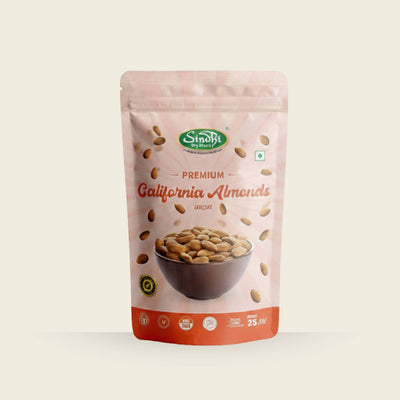
Premium Almonds – Fresh Crunchy Badam, Nutrient-Rich California Variety
250g

Premium Mamra Badam – Crunchy Iranian Almonds, Light & Vitamin E Rich
250g
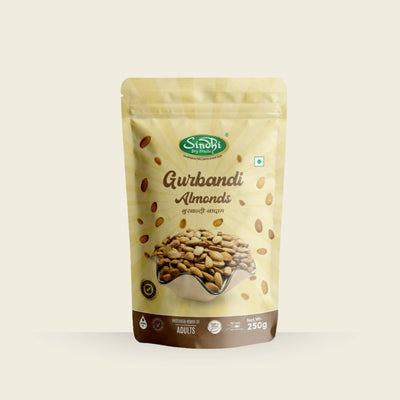
Premium Gurbandi Badam – Intense-Flavoured Afghan Almonds, High Nutrition
250g

Badam Australian Special – Rich in Vitamin E
250g
Nutrition
What the Numbers Say
Nutritional values are approximate. Source: NIN/ICMR. AI-assisted content — verify with a registered nutritionist before acting on this information.
Frequently Asked Questions
How many almonds should I eat per day?
A 28g serving — roughly 23 whole almonds, about a small handful — is the standard reference quantity used in food composition databases like USDA FoodData Central (FDC #170567), and a practical daily starting point for most adults. The right amount depends on your overall diet, calorie needs, and goals. For personalised guidance, a registered dietitian is the right person to ask.
Which is better — California almonds, Mamra, Gurbandi, or Australian?
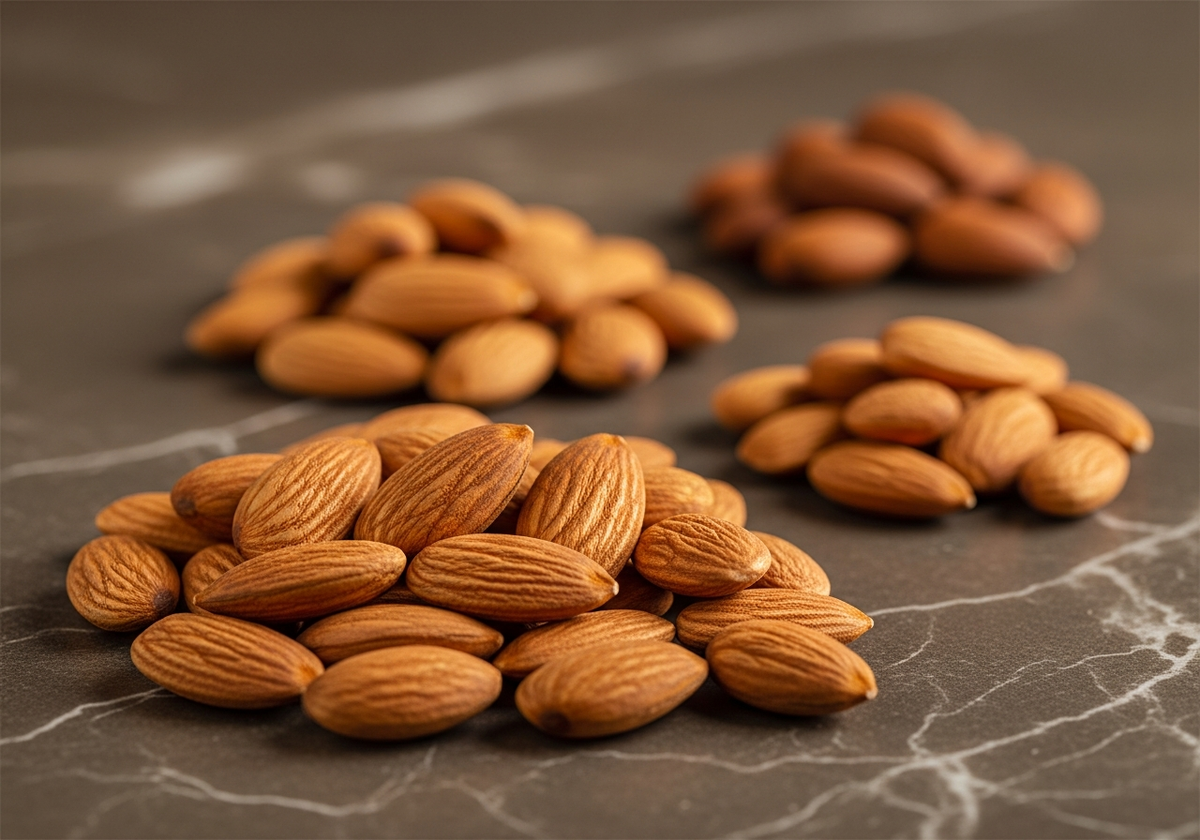
There is no single best — the right choice depends on personal preference and how you plan to use them. California and Australian almonds are both mild and crunchy, good for everyday snacking. Mamra almonds (sometimes called Irani badam) are oilier and softer, traditionally favoured for soaked almond routines. Gurbandi are smaller with a more intense flavour, traditionally prized in Indian sweet-making and soaked in North Indian household routines. Nutritionally, all types of almonds are broadly similar per available food composition data (USDA FDC #170567 covers raw almonds as a general category).
Should I soak almonds before eating them?
Both soaked and raw almonds provide similar core nutrition. The nutritional difference is not expected to be substantial, as soaking is a hydration treatment rather than a cooking process — though food databases do not have a separately measured entry for soaked almonds. Some people report finding the softer, peeled almonds easier to digest; for others, the crunch of raw almonds is preferred. There is currently no strong clinical evidence that one method is significantly better than the other for general health in otherwise healthy adults.
How should I store almonds to keep them fresh?
Store almonds in an airtight container in a cool, dry place away from sunlight and humidity. Always refer to the best-before date on your pack — shelf life varies by product type and packaging format. Avoid exposure to moisture or heat, which are the main causes of almonds losing freshness or developing an off-taste.
Sources
- USDA FoodData Central. Nuts, almonds, raw. FDC ID #170567. U.S. Department of Agriculture. https://fdc.nal.usda.gov/fdc-app.html#/food-details/170567/nutrients
Not medical advice — consult a healthcare professional for personal health decisions. Nutritional figures are based on raw almonds (USDA FDC #170567) as a general category. Separate food composition data for Mamra, Gurbandi, or other regional almond varieties is not available in major international databases. Values are per 28g serving unless otherwise noted. Shelf life varies — refer to the best-before date on your pack.
Where to Find Premium Dry Fruits Near You
Since 1939, Sindhi Dry Fruits has been supplying premium cashews, almonds, walnuts, pistachios and seasonal dry fruits to homes across Delhi, Mumbai, Bangalore and beyond. Order online with fast dispatch to Delhi NCR and pan-India delivery.