

Ep. 02
Makhana Kheer Recipe — Navratri
A light, aromatic fasting dessert made with premium fox nuts, saffron, and Desi Khand
आपको क्या चाहिए
इस रेसिपी के लिए सामग्री

मखाना फॉक्स नट्स, भारतीय – प्राकृतिक रूप से फाइबर युक्त फूल मखाने, 250 ग्राम
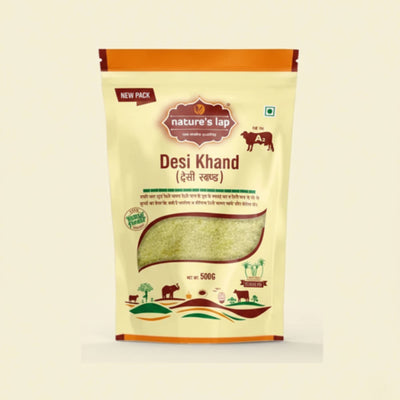
देसी खांड 500 ग्राम
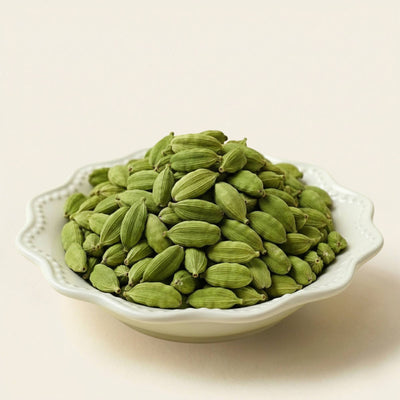
इलायची - जंबो साइज़ प्राकृतिक हरी इलायची
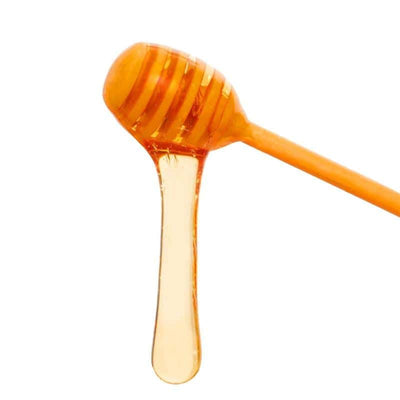
सिंधी केसर शहद जार 500 ग्राम
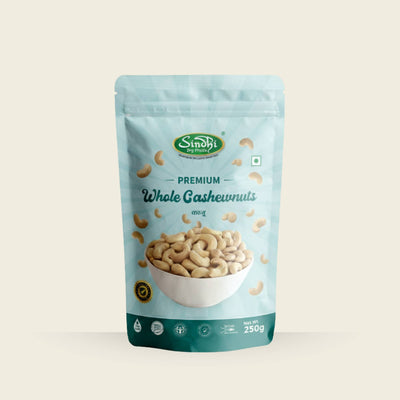
प्रीमियम काजू – बड़े साबुत काजू, खाना बनाने और स्नैकिंग के लिए ताज़े

किशमिश कंधारी, अफ़गान – आयरन से भरपूर
संवादात्मक
द स्केल लैब
अपनी जरूरत के हिसाब से मात्रा समायोजित करें
मखाना फॉक्स नट्स, भारतीय – प्राकृतिक रूप से फाइबर युक्त फूल मखाने, 250 ग्राम 2.0 cups खरीदें →
Full-fat milk 1.0 litre
देसी खांड 500 ग्राम 3.0 tablespoons खरीदें →
इलायची - जंबो साइज़ प्राकृतिक हरी इलायची 4.0 pods खरीदें →
Saffron (Kesar) 8.0 strands
Kishmish (Afghan Raisins) 2.0 tablespoons
प्रीमियम काजू – बड़े साबुत काजू, खाना बनाने और स्नैकिंग के लिए ताज़े 10.0 pieces खरीदें →
पोषण
सूखे मेवों और नट्स के स्वास्थ्य लाभ
पोषण संबंधी मान अनुमानित हैं। स्रोत: एनआईएन/आईसीएमआर। AI-सहायता प्राप्त सामग्री — इस जानकारी पर कार्रवाई करने से पहले किसी पंजीकृत पोषण विशेषज्ञ से सत्यापित करें।
अक्सर पूछे जाने वाले प्रश्न
Why is makhana perfect for Navratri fasting?
Makhana has been a cornerstone of North Indian Navratri fasting for centuries. It is considered satvik — free of grains, onion, and garlic — which makes it permissible under the strictest vrat dietary codes.
From a culinary standpoint, makhana’s mild, slightly creamy flavour absorbs the milk, saffron, and cardamom in this kheer without overpowering them. Its light, airy texture becomes gently yielding once simmered, creating the dessert’s characteristic body.
Adding premium dry fruits such as raisins, cashews, and almonds brings natural iron, healthy fats, and antioxidants to make makhana-based dishes a wholesome, heritage-inspired fasting option.
Can I make makhana kheer ahead of time?
Yes — makhana kheer is one of the few desserts that actually improves overnight. After cooking, allow it to cool to room temperature, then refrigerate covered for up to 48 hours. The makhana continues to absorb the sweetened milk as it chills, creating a denser, more traditional puja prasad texture.
Before serving, check the consistency. If it has thickened beyond your preference, stir in 2–3 tablespoons of cold full-fat milk and mix gently. Serve cold, or at room temperature for a softer, creamier mouthfeel.
What do premium dry fruits add to makhana kheer?
Adding premium dry fruits significantly elevates both the flavour and nutritional depth of the kheer. Cashews add copper and magnesium that are associated with energy metabolism; raisins bring natural iron and antioxidants; saffron lends its legendary fragrance and prized culinary heritage.
Together, they transform a simple milk dessert into a wholesome, heritage-inspired fasting meal — aligned with Sindhi culinary tradition since 1939.
Can I vary the sweetness or adapt this recipe for dietary restrictions?
Makhana is naturally gluten-free and free of tree-nut allergens, making it a versatile base for many dietary needs. This recipe uses Desi Khand for its caramel-edged depth and its longstanding place in traditional North Indian mithai — an unrefined cane sugar that brings a richer character than refined sugar.
For those reducing sugar intake for any reason, reduce the Desi Khand to 1–1.5 tablespoons and allow the natural sweetness of the kishmish and saffron to round the kheer. Anyone following a medically-directed diet should consult their healthcare provider about suitable adaptations.
What is the best makhana to use for kheer?
For kheer, choose large, round, evenly puffed makhana — the kind sold by a specialist dry fruits store rather than a generic supermarket shelf. Grade A makhana puffs are ivory-white, free of brown spots or hollow centres. They roast evenly and hold their shape while softening gracefully in milk.
At Sindhi Dry Fruits, our makhana is sourced from Mithila, Bihar — the heartland of phool makhana cultivation in India. Stored in an airtight container away from moisture, they stay fresh and fragrant for 4–6 months.
अपने नज़दीकी बेहतरीन सूखे मेवे कहाँ से प्राप्त करें
1939 से, सिंधी ड्राई फ्रूट्स दिल्ली, मुंबई, बैंगलोर और अन्य शहरों में घरों तक बेहतरीन काजू, बादाम, अखरोट, पिस्ता और मौसमी सूखे मेवे पहुंचा रहा है। दिल्ली एनसीआर में उसी दिन डिस्पैच और अखिल भारतीय 2-दिवसीय डिलीवरी के साथ ऑनलाइन ऑर्डर करें।