Ep. 02

Badam Halwa Recipe — Saffron Almond Sweet for Festivals

Try this classic Badam Halwa recipe — rich saffron almond sweet with mishri and cardamom, a beloved Indian festival dessert celebrating dry fruits benefits.

45 न्यूनतम
6 परोसने योग्य मात्रा
Intermediate

आपको क्या चाहिए

इस रेसिपी के लिए सामग्री
संवादात्मक

द स्केल लैब

अपनी जरूरत के हिसाब से मात्रा समायोजित करें

के लिए समायोजित करें 6 परोसता है
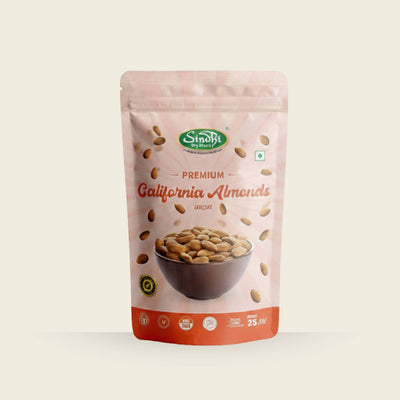
प्रीमियम बादाम – ताज़ा कुरकुरा बादाम, पोषक तत्वों से भरपूर कैलिफ़ोर्निया किस्म 1.0 cup खरीदें →
Soaked 30 min in hot water, skins peeled, then ground to a smooth paste
Ghee (Clarified Butter) 4.0 tbsp
Use pure desi ghee for authentic flavour
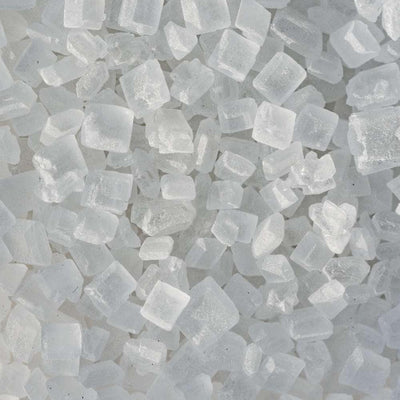
मिश्री 0.75 cup खरीदें →
Powdered; dissolved in warm water before adding
Full-fat Milk 0.25 cup
For blending almond paste
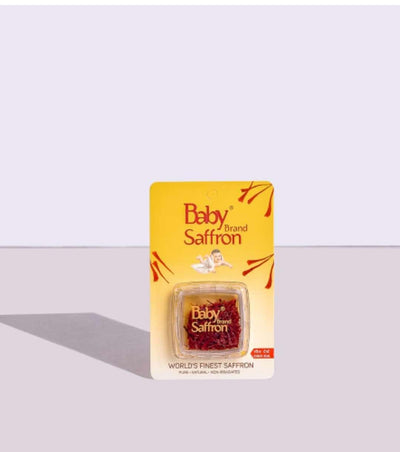
बेबी केसर 0.5 tsp खरीदें →
Bloomed in 2 tbsp warm milk
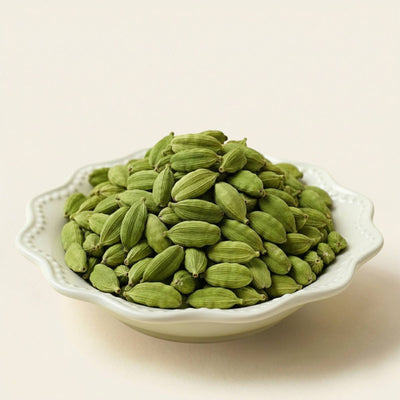
इलायची - जंबो साइज़ प्राकृतिक हरी इलायची 0.5 tsp खरीदें →
Freshly ground
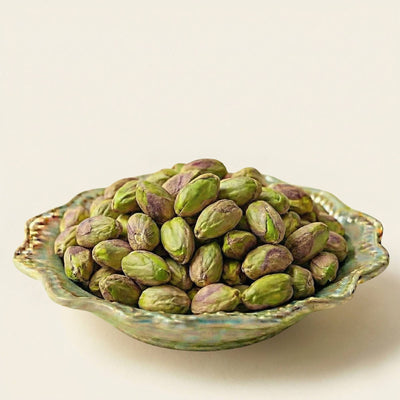
पिस्ता मोटा, पिस्ता गिरी, ईरानी – प्रोटीन से भरपूर 2.0 tbsp खरीदें →
Thinly slivered; for garnish
प्रीमियम बादाम – ताज़ा कुरकुरा बादाम, पोषक तत्वों से भरपूर कैलिफ़ोर्निया किस्म 2.0 tbsp खरीदें →
For garnish

क्रमशः

इसे कैसे बनाएं

चरण 1 of 4

Prepare the Almond Paste

⏱ 0–15 min

Place the almonds in a bowl and cover with freshly boiled water. Let them soak for 10–12 minutes — the skins will begin to loosen and blister slightly. Drain and peel each almond by pressing gently between your thumb and forefinger; the nut should pop out cleanly, leaving the skin behind.

Transfer the blanched almonds to a blender. Add the milk in two parts to keep the paste moving. Blend for 2–3 minutes, scraping down the sides between pulses, until the paste is completely smooth with no visible grit. A slightly grainy paste will never become silky halwa — this step sets the texture for the entire dish.

For a deeper almond flavour: dry-roast half the almonds lightly in a pan before soaking. The maillard notes carry through the paste and give the finished halwa a more complex, toasted warmth.
💡 विशेष सुझाव Peel skins completely — they carry bitter tannins that discolour the halwa and break its clean almond flavour. Any remaining specks of skin will show up as brown flecks in an otherwise golden halwa.

चरण 2 of 4

Roast the Paste in Ghee

⏱ 15–30 min

Heat the ghee in a heavy-bottomed kadhai or non-stick pan over medium flame until it shimmers — do not let it smoke. Add the almond paste in one go. It will spit slightly as the moisture hits the hot ghee — stand back and immediately begin stirring.

Keep the flame at medium-low and stir continuously with a silicone spatula or wooden spoon, scraping the bottom of the pan in wide circles. The paste will first look wet and pale yellow, then begin to dry and deepen in colour. After 10–12 minutes of steady stirring, it will pull away from the sides of the pan in a single mass, and the ghee will begin to release visibly at the edges — this is your cue that the roasting is complete.

Do not rush this stage on high heat. The sugars in the almond need to caramelise gently — high heat scorches the outside while leaving the centre raw, producing a halwa that smells burnt and tastes bitter.
💡 विशेष सुझाव Use a wide, flat-bottomed pan rather than a deep wok. A wider surface area means more contact between the paste and the hot metal — reducing cooking time and evening out the roasting.

चरण 3 of 4

Sweeten and Infuse with Saffron

⏱ 30–40 min

In a small bowl, bloom the saffron strands in 2 tablespoons of warm milk for 3–4 minutes until the milk turns a deep gold and the strands soften. This unlocks the crocin pigment responsible for both colour and the distinct floral-earthy aroma that defines a premium badam halwa.

Dissolve the powdered mishri in 3–4 tablespoons of warm water to form a light syrup before adding — direct crystal contact with the hot paste can seize the texture unevenly. Pour the syrup in gradually, stirring vigorously after each addition to incorporate fully.

Add the bloomed saffron milk and stir through. Add the freshly ground cardamom. Continue to cook for 3–5 minutes more, stirring constantly. The halwa should pull together into a shiny, smooth mass that holds its shape when pressed and releases a clean almond-ghee aroma with a golden saffron note.
💡 विशेष सुझाव Mishri dissolves more slowly than granulated sugar and has a slightly lower glycaemic effect. Its crystal structure releases sweetness gradually, giving the halwa a more layered, nuanced finish rather than an immediate sugar hit.

चरण 4 of 4

Rest, Plate and Garnish

⏱ 40–45 min

Lightly grease a flat plate or tray with a thin film of ghee. Transfer the halwa onto it and use the back of a spoon or your palm (lightly oiled) to smooth it to an even layer about 1 cm thick. Let it rest for 5 minutes — it firms up as it cools, making it easier to cut into clean diamond or square shapes.

Scatter the pistachio slivers and almond slivers generously over the surface while the halwa is still warm enough for the garnish to adhere. A few strands of saffron pressed gently on top add a visual luxury that elevates the presentation.

To serve warm as a dessert at a festival gathering: spoon into individual bowls and serve immediately. To gift or box: cut once cooled into diamonds, layer between parchment sheets, and refrigerate.

Badam halwa stores well in a sealed container in the refrigerator for 4–5 days. Bring to room temperature before serving — it softens back to its original texture within 15–20 minutes.
💡 विशेष सुझाव Rest before garnishing. Placing the slivers too early, while the surface is still steaming, softens the pistachio and it loses its colour contrast. Five minutes of resting produces a firmer surface that holds the garnish clean and distinct.

पोषण

सूखे मेवों और नट्स के स्वास्थ्य लाभ

✦ एआई-असिस्टेड कॉन्टेंट
Vitamin E (Almonds) 25.63 mg / 100g 171% दैनिक मान
Monounsaturated Fats (Almonds) 31.55 g / 100g
Magnesium (Pistachios) 121 mg / 100g 29% दैनिक मान
Calcium (Almonds) 264 mg / 100g 20% दैनिक मान

पोषण संबंधी मान अनुमानित हैं। स्रोत: एनआईएन/आईसीएमआर। AI-सहायता प्राप्त सामग्री — इस जानकारी पर कार्रवाई करने से पहले किसी पंजीकृत पोषण विशेषज्ञ से सत्यापित करें।

अक्सर पूछे जाने वाले प्रश्न

What are the dry fruits benefits in badam halwa?

Badam halwa is anchored by almonds, one of the most nutrient-dense dry fruits. Almonds may support skin health through their exceptional Vitamin E content (25.63 mg per 100g — USDA FDC #12061), and contribute calcium (264 mg per 100g) and monounsaturated fats associated with heart health. The pistachio garnish adds magnesium (121 mg per 100g — USDA FDC #12651), which may support muscle function. Together, the dry fruits benefits in this recipe make badam halwa far more than just a festive sweet — it is a traditionally intelligent combination of flavour and nutrition.

Can I make badam halwa without ghee?

You can substitute ghee with coconut oil for a dairy-free version, though the flavour profile will differ. Ghee contributes the distinctive nutty, caramel-like note and the high smoke point needed to roast the almond paste evenly without scorching. Coconut oil will produce a slightly lighter halwa with a mild tropical background. Avoid using regular butter — its water content makes the paste splatter and the result lacks the depth of a ghee-roasted halwa. If you must use butter, use unsalted and let it clarify briefly over low heat before adding the paste.

How long does badam halwa keep?

Stored in a sealed container in the refrigerator, badam halwa keeps well for 4 to 5 days. Bring to room temperature 15–20 minutes before serving — it softens back to its original silky texture. For longer storage, cut into portioned diamonds, wrap each in parchment, and freeze for up to one month. Thaw overnight in the refrigerator and serve at room temperature. The quality of the dry fruits matters for shelf life — premium fresh almonds from a trusted dry fruits shop near me or delivered from a reputable source extend the halwa's freshness compared to older, oxidised nuts.

Can I use sugar instead of mishri in badam halwa?

Yes. Use the same volume of granulated sugar. Mishri (rock sugar) is traditionally preferred for festival sweets as it is considered more natural and sattvic. It also imparts a slightly different flavour — cleaner, less intense than refined sugar, which lets the almond and saffron notes come through more clearly. If using granulated sugar, dissolve it in water first before adding, exactly as you would the mishri syrup, to ensure even incorporation and prevent seizing.

Is badam halwa suitable for Navratri fasting?

Yes, badam halwa made with mishri, ghee, saffron, and cardamom — and no grain, no onion, and no garlic — is suitable for most Navratri vrat traditions. Almonds are widely consumed during Navratri as a protein and energy source during fasting days. Verify with your specific regional or family tradition whether refined sugar, mishri, or jaggery is preferred, as practices vary across communities. The dry fruits benefits of almonds make this a genuinely sustaining fasting sweet rather than empty indulgence.

Why does my badam halwa taste bitter?

Three causes are most common. First, the almond skins were not completely removed — they contain bitter tannins that intensify with cooking. Second, the paste was cooked on too high a flame, causing the almond sugars to burn before the moisture evaporated. Third, old or stale almonds were used — fresh almonds have a clean, sweet flavour, while oxidised nuts turn rancid and bitter. Use freshly sourced premium almonds, peel the skins meticulously, and cook on a patient medium-low flame for a halwa that is purely sweet and aromatic.

अपने नज़दीकी बेहतरीन सूखे मेवे कहाँ से प्राप्त करें

1939 से, सिंधी ड्राई फ्रूट्स दिल्ली, मुंबई, बैंगलोर और अन्य शहरों में घरों तक बेहतरीन काजू, बादाम, अखरोट, पिस्ता और मौसमी सूखे मेवे पहुंचा रहा है। दिल्ली एनसीआर में उसी दिन डिस्पैच और अखिल भारतीय 2-दिवसीय डिलीवरी के साथ ऑनलाइन ऑर्डर करें।

प्रीमियम सूखे मेवे खरीदें →

आगे पढ़ें

और ड्राई फ्रूट रेसिपीज़