
Nutrition & Wellness
Types of Dates: How to Pick the Right Khajoor for You
Not sure which types of dates to buy? Kimia, Medjoul, Kalmi and Chhuara compared — taste, nutrition, how much to eat daily, and the best use for each.
Shop This Article
The products behind these numbers

ओरिजिनल कीमिया डेट्स, 500 ग्राम
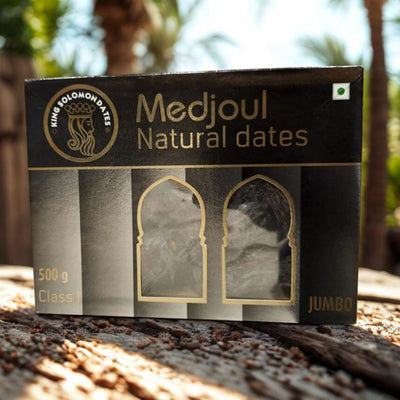
किंग सोलोमन मेडजूल खजूर, 500 ग्राम
मध्यम

सफेद छुआरा, सूखी खजूर, इंडियन – प्राकृतिक रूप से फाइबर युक्त
250 ग्राम
Nutrition
What the Numbers Say
Nutritional values are approximate. Source: NIN/ICMR. AI-assisted content — verify with a registered nutritionist before acting on this information.
Frequently Asked Questions
What is the difference between Kimia, Medjoul and Kalmi dates?
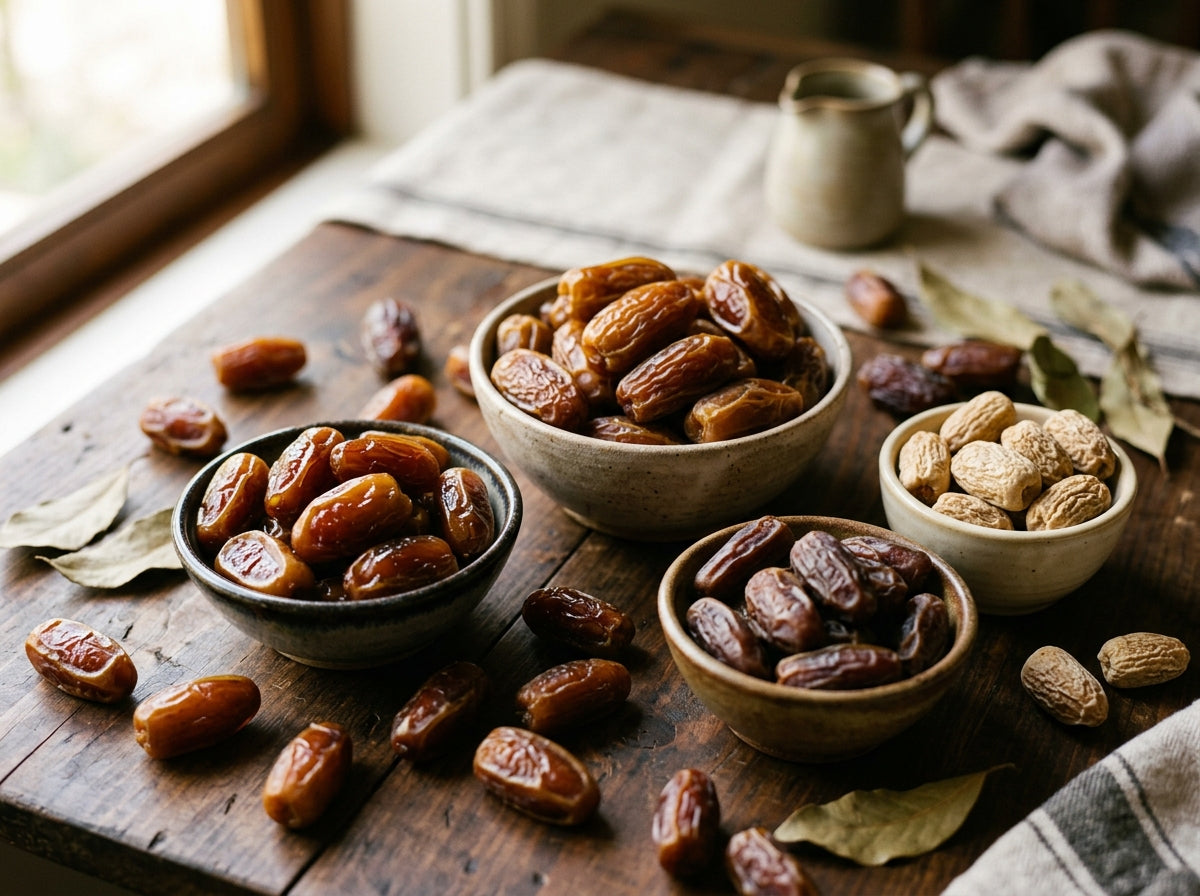
These are three distinct types of dates with different origins and textures. Kimia dates are an Iranian variety — naturally soft, moist and mildly sweet, making them the easiest everyday snack. Medjoul dates (also called Medjool) are larger and richer, often called the king of dates; they are more filling and tend to cost a little more. Kalmi dates are firmer and drier with a deeper caramel edge. All three are wet dates, meaning they have more moisture than chhuara (dry dates), which are better suited for cooking or longer storage.
How many dates should I eat in a day?
Two to three dates a day is a reasonable amount for most healthy adults, regardless of which types of dates you choose. Dates are naturally high in sugar, so eating a large amount at one sitting is not ideal. If you are managing blood sugar levels or have diabetes, speak to your doctor about the right amount for your diet.
Can I eat dates every day?
Yes, most types of dates can form part of a daily diet for most people. They bring natural sugars alongside fibre, potassium and iron — the fibre may help slow how quickly sugar enters the bloodstream compared to a plain sweet snack. Two to three a day as a mid-morning snack or before exercise works well for most healthy adults.
How should I store dates at home?
All types of dates keep best in a sealed container in the fridge. Check the best-before date printed on your pack — typically around 60 days for loose varieties. Keep them away from moisture and strong-smelling foods. If dates smell fermented or feel unusually sticky, discard them and replace.
Sources
- USDA FoodData Central, Dates, medjool, FDC ID 168191, April 2018. National Agricultural Library, U.S. Department of Agriculture. Available: https://fdc.nal.usda.gov/food-details/168191
- ICMR-NIN Nutrient Requirements and Recommended Dietary Allowances for Indians (2020). National Institute of Nutrition, Hyderabad. Available: www.nin.res.in
Not medical advice — consult a healthcare professional for personal health decisions.
Where to Find Premium Dry Fruits Near You
Since 1939, Sindhi Dry Fruits has been supplying premium cashews, almonds, walnuts, pistachios and seasonal dry fruits to homes across Delhi, Mumbai, Bangalore and beyond. Order online with fast dispatch to Delhi NCR and pan-India delivery.